2026 Best Fashion Clothing Budget Planning Tips

Time:2026-10-02 Author:Isabella
0%

Planning a stylish wardrobe in 2026 does not require unlimited spending. It requires clear priorities, honest tracking, and practical decisions. Fashion Clothing Budget Planning Tips can help you control costs without losing personal style. A useful plan begins with your real lifestyle, not an idealized image of it.

Look at your weekly routine. Do you need office shirts, durable shoes, or comfortable travel layers? Write these needs beside your current wardrobe. A simple phone note can reveal repeated purchases, unused colors, and missing basics. Then divide your clothing budget into needs, seasonal updates, and flexible spending. Keep a small reserve for repairs, tailoring, or an unexpected event.

Quality matters, but expensive does not always mean better. Check fabric composition, stitching, care labels, and return policies. Try walking, sitting, and reaching before buying structured clothing. Small tests prevent costly mistakes.

Track each purchase for thirty days.

Review your receipts weekly. This habit exposes emotional shopping and misleading discounts. A sale is not a saving if the garment stays unworn. Cost per wear offers a more reliable view, especially for coats, jeans, and work shoes. However, this measure is imperfect. It may undervalue joyful pieces that support confidence or creativity.

A responsible budget should also consider clothing care and replacement timing. Washing garments gently, storing knitwear properly, and repairing loose buttons can extend their useful life. Avoid rigid rules that create guilt. Your budget should guide choices, not punish reasonable changes in taste. These 2026 Fashion Clothing Budget Planning Tips combine practical wardrobe experience, careful evaluation, and flexible decision-making for a more dependable shopping plan.
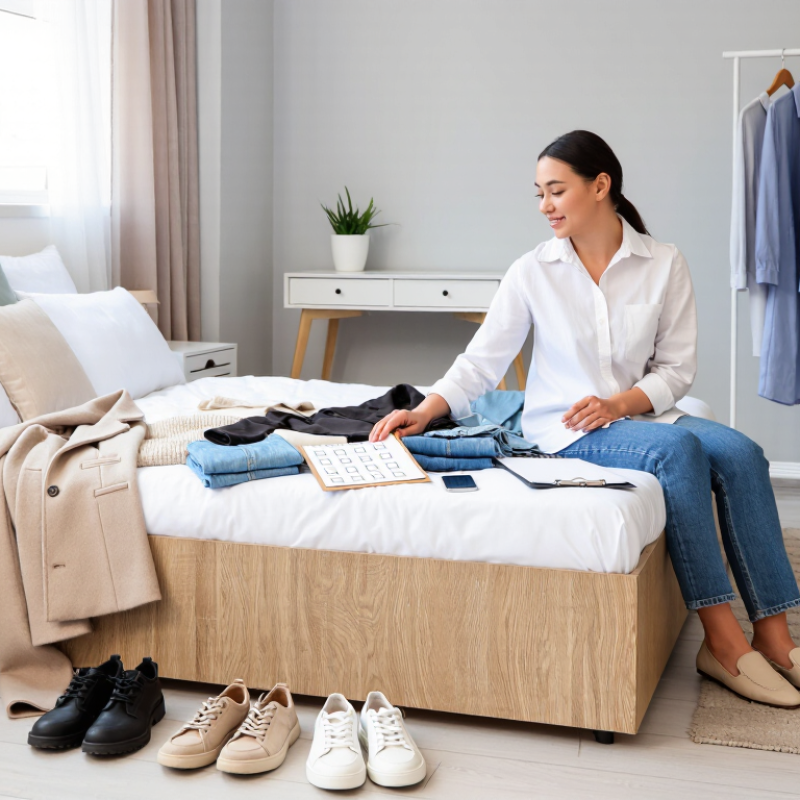
2026 Best Fashion Clothing Budget Planning Tips

Define Fashion Priorities and Clothing Budget Goals for 2026

2026 Best Fashion Clothing Budget Planning Tips

Define Fashion Priorities and Clothing Budget Goals for 2026

A useful clothing budget starts with your real routine, not imagined outfits. Track every clothing purchase for one month. Record the price, purpose, frequency, and comfort level. My own wardrobe review exposed five similar black shirts and no suitable rain layer. That was uncomfortable, but useful.

Set three priorities for 2026. They might include durable workwear, practical travel clothing, or better seasonal basics. Assign each priority a spending limit. A simple plan could reserve 50% for essentials, 30% for priority items, and 20% for repairs or flexible choices. Adjust these percentages when your income or schedule changes. Keep the numbers realistic.

Use a separate monthly clothing fund. Transfer the amount after essential bills and savings. Before buying, estimate cost per wear. A $120 jacket worn thirty times costs $4 per use. A cheaper item worn twice may waste more money. Check fabric, stitching, washing instructions, and return conditions. These details reveal quality better than a quick fitting-room impression.

Leave space for mistakes. Trends change. Bodies change. I once planned a strict seasonal capsule and disliked half the selected colors. A better approach allows one experimental purchase each season. Review your spending every three months. Remove unused categories, increase repair funds, and revise goals when your lifestyle shifts. Practical budgets should guide decisions, not create guilt.

Assess Income, Expenses, and Seasonal Clothing Needs

A practical 2026 clothing budget begins with income, not trends. Review three months of net income and fixed expenses before setting a spending limit. The U.S. Bureau of Labor Statistics reported average household spending of $2,041 on apparel and services in 2023. Use this figure only as a benchmark, because housing costs, climate, and family size vary widely. A safer method is assigning a modest share of disposable income after essentials, then revising it quarterly.

Track clothing expenses by category. Separate workwear, daily basics, sportswear, special occasions, and alterations. Check last year’s receipts and mark predictable seasonal needs, such as a winter coat, school clothing, or rain shoes. A simple wardrobe audit can expose duplicates: three similar black sweaters may equal one planned purchase. Keep a small reserve for repairs.

Seasonality also affects value. The McKinsey State of Fashion 2025 report describes low single-digit growth expectations, suggesting consumers may face continued price pressure. Meanwhile, ThredUp’s 2025 Resale Report projects the global secondhand apparel market could reach $367 billion by 2029. Consider resale or repaired garments when quality meets your needs. Check fabric condition, fit, and expected wear rather than chasing the lowest price.

Be honest about imperfect forecasts. A sudden job change, weight change, or unusual weather can disrupt the plan. Leave flexibility. My weakest assumption might be underestimating event clothing. A monthly review makes the budget responsive, not rigid.

Build a Practical Monthly and Annual Fashion Budget

A practical fashion budget starts with real spending, not wishful estimates. Track clothing, shoes, tailoring, laundry, and accessories for three months. The U.S. Bureau of Labor Statistics reported that the average consumer unit spent $2,041 on apparel and services in 2023, or about $170 monthly. Treat this figure as a reference, not a personal target.

Set an annual ceiling before shopping. A useful starting point is 5% of take-home income, divided into monthly categories: 60% for essentials, 25% for planned seasonal purchases, and 15% for repairs or unexpected needs. For example, a $60,000 annual take-home income creates a $3,000 clothing budget, or $250 per month. Keep the annual figure visible. It prevents one expensive month from quietly damaging later plans.

I learned this after buying several “perfect” pieces that rarely left the closet. Track cost per wear instead. The McKinsey and BoF State of Fashion 2025 report found that 80% of fashion executives expected conditions to remain challenging or worsen. That pressure can influence discounts and buying urgency. Wait 48 hours before nonessential purchases. Check your wardrobe first. Also leave a small unassigned buffer, perhaps 10%, because real life is irregular. My own plan still fails during travel months. That failure is useful data. Rebalance the next month rather than pretending the budget was perfect.

2026 Best Fashion Clothing Budget Planning Tips

A practical annual fashion budget based on a planned spending limit of $2,400, or $200 per month.

Allocate the largest share to everyday essentials, reserve part of the budget for seasonal updates and special occasions, and keep a small amount for accessories, repairs, and clothing care. Review spending monthly to stay within the annual limit.

Choose Cost-Effective Shopping Strategies and Wardrobe Essentials

A cost-effective wardrobe starts with use, not impulse. I track cost per wear before buying: a $60 jacket worn 30 times costs $2 per use. A $20 trend piece worn once costs more than expected. The McKinsey and Business of Fashion State of Fashion 2025 report highlights continuing consumer pressure on fashion prices, making practical spending increasingly important. Set a monthly clothing limit, then reserve part of it for repairs and alterations.

Build around wardrobe essentials: two neutral tops, durable trousers, one versatile layer, comfortable shoes, and seasonal outerwear. Choose fabrics that tolerate frequent washing and match at least three existing pieces. WRAP reports that extending clothing life by nine months can reduce its carbon, water, and waste footprints by around 20–30%. That makes maintenance a budget decision, not only an environmental choice. I still sometimes buy colors that look exciting online but rarely leave the closet. That mistake deserves attention.

Tips: Wait 48 hours before non-essential purchases. Check your wardrobe first. Compare cost per wear, fabric care, and return conditions. Consider quality secondhand garments when measurements and condition are clear. The 2025 ThredUp Resale Report projects the global secondhand apparel market could reach $367 billion by 2029, showing that pre-owned shopping is becoming a serious cost-saving channel. Keep a simple spreadsheet, but do not worship the numbers. Comfort and actual wear matter too.

Track Spending and Adjust the Budget Throughout the Year

A fashion budget should be tracked, not admired once and forgotten. I record every purchase in a simple monthly sheet, including tax, delivery fees, alterations, and returns. The McKinsey & Company and The Business of Fashion State of Fashion 2025 report expects low single-digit industry growth, around 2% to 4%. That slower outlook makes disciplined spending more useful. I divide my annual clothing budget into monthly limits, then reserve a small amount for seasonal needs.

Track real behavior.

At month-end, I compare planned and actual spending by category. For example, a $120 jacket may appear reasonable, but three similar purchases can exceed the quarterly outerwear allowance. I also calculate cost per wear after thirty days. A $90 shirt worn twice costs more per use than a $150 coat worn twenty times. This method is practical, though imperfect. I sometimes overestimate future wear and underestimate repair costs.

Adjustments should happen during the year, not after the budget fails. If spending exceeds the monthly limit by $60, I reduce the next month’s discretionary amount rather than abandoning the plan. The ThredUp 2025 Resale Report, produced with GlobalData, projects the global secondhand apparel market could reach $367 billion by 2029. That data supports adding pre-owned items, repairs, and resale proceeds to the same tracking sheet. I keep receipts and note why each purchase felt necessary. That uncomfortable record often reveals emotional spending. My budget still needs revision. Personal habits change faster than spreadsheets.

2026 Best Fashion Clothing Budget Planning Tips - Track Spending and Adjust the Budget Throughout the Year

Month Planned Budget
(USD)
Actual Spending
(USD)
Variance
(USD)
Cumulative Planned
(USD)
Cumulative Actual
(USD)
Budget Adjustment for the Following Month
January $180 $165 -$15 $180 $165 Reduce February by $15 and carry the savings forward.
February $150 $172 +$22 $330 $337 Set a firm $160 March limit and review unplanned purchases.
March $160 $148 -$12 $490 $485 Maintain the April budget and reserve the surplus for seasonal needs.
April $200 $214 +$14 $690 $699 Keep May at $220 but postpone nonessential accessories.
May $220 $236 +$16 $910 $935 Lower June's discretionary limit to $125 before summer purchases.
June $140 $126 -$14 $1,050 $1,061 Keep July at $120 and use existing basics before buying more.
July $120 $109 -$11 $1,170 $1,170 Increase August by $10 for planned end-of-summer replacements.
August $130 $145 +$15 $1,300 $1,315 Cap September at $170 and create a shopping list before purchasing.
September $180 $171 -$9 $1,480 $1,486 Keep October at $220 and prioritize versatile cold-weather items.
October $220 $238 +$18 $1,700 $1,724 Reduce November's discretionary allowance by $20.
November $260 $284 +$24 $1,960 $2,008 Set December at $220 and avoid duplicate gifts or impulse purchases.
December $240 $221 -$19 $2,200 $2,229 Transfer the remaining $19 to the 2027 clothing reserve.
2026 Total $2,200 $2,229 +$29 — — Annual spending was 1.3% above the original plan.
Planning Guidelines: Review spending at the end of each month, separate essential replacements from discretionary purchases, use cumulative totals to identify overspending early, and move unused funds into a future-season reserve.

FAQS

How should I set a clothing budget for 2026?

Review three months of take-home income and fixed expenses. Set a modest limit from money left after essentials. Recheck it quarterly.

What clothing categories should I track?

Separate workwear, daily basics, sportswear, occasion clothing, and alterations. Small categories reveal where money quietly disappears.

How can I plan for seasonal clothing needs?

Review last year’s receipts for coats, school clothes, rain shoes, and warm layers. Keep a small repair reserve.

What does a wardrobe audit help me find?

It can reveal duplicates, such as three similar black sweaters. Check your closet before buying another one.

How can I measure whether clothing is worth buying?

Calculate cost per wear. A $60 jacket worn 30 times costs $2 per use. A $20 item worn once costs more.

Which wardrobe essentials offer practical value?

Consider neutral tops, durable trousers, one versatile layer, comfortable shoes, and seasonal outerwear. Each item should match several existing pieces.

How can I reduce clothing costs without sacrificing usefulness?

Compare fabric care, fit, expected wear, and return conditions. Repaired or pre-owned clothing can help when its condition is clear.

What habits can prevent impulse purchases?

Wait 48 hours before non-essential purchases. Check your wardrobe first. Online colors can look exciting but remain unworn.

Should I follow a clothing spreadsheet strictly?

Use it as a guide, not a judge. Comfort, fit, and actual wear matter too. My forecasts may still miss event clothing.

What can disrupt a clothing budget?

Job changes, body changes, unusual weather, and unexpected events can shift priorities. Leave some flexibility. Budgets should bend.

Conclusion

Creating a realistic clothing budget is an effective way to enjoy fashion without putting pressure on your finances. These Fashion Clothing Budget Planning Tips begin with identifying your personal style priorities, clothing goals, and the items you truly need in 2026. Review your income, regular expenses, existing wardrobe, and seasonal requirements before deciding how much you can comfortably spend. This approach helps separate essential purchases from optional trends and encourages thoughtful planning throughout the year.

Build both a monthly and annual budget, allowing extra flexibility for seasonal changes, special occasions, or unexpected needs. Focus on versatile wardrobe essentials, compare value rather than simply choosing the lowest price, and consider cost-effective shopping habits such as planning purchases, avoiding impulse spending, and caring properly for your clothes. Keep a simple record of every fashion-related expense and review it regularly. If your spending changes or priorities shift, adjust the budget while maintaining your overall financial goals.

Isabella

Isabella

Isabella is a dedicated marketing professional with a sharp focus on driving brand growth and engagement through strategic content creation. With an extensive background in digital marketing, she combines her passion for storytelling with her keen understanding of industry trends to deliver......