2026 Top Fashion Clothing Trends For New Seasons

Time:2026-10-07 Author:Isabella
0%

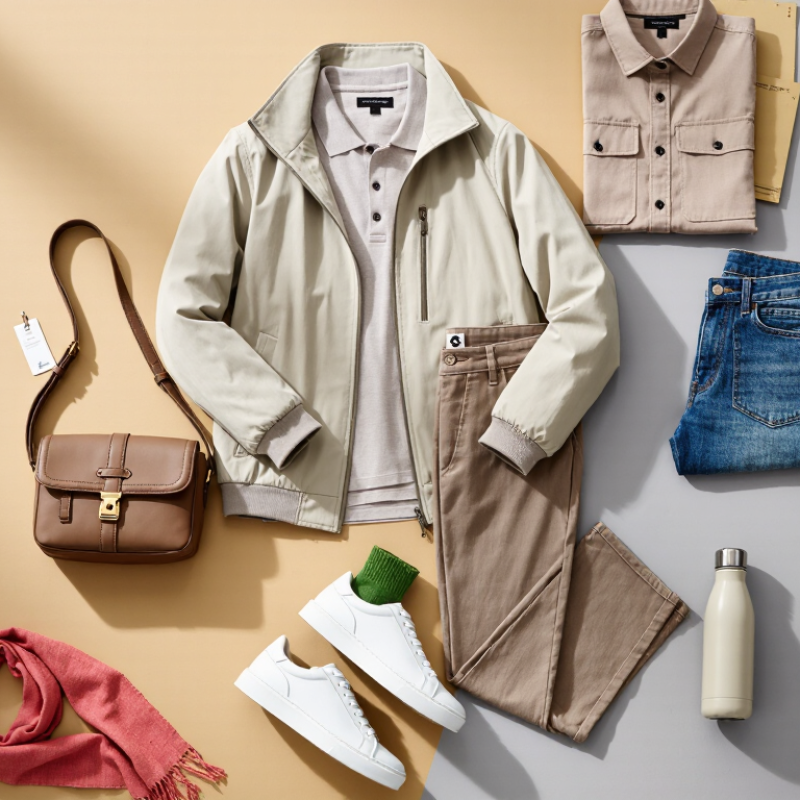
Fashion Clothing Trends For New Seasons will shape how wardrobes respond to changing lifestyles, climates, and cultural moods in 2026. The strongest direction is not one dramatic look. It is a practical mix of relaxed tailoring, tactile fabrics, softened utility, and expressive color. Picture a lightweight jacket over a fine-knit polo, wide trousers brushing clean sneakers, and a compact bag holding the essentials.

Sustainability also moves from marketing language toward daily decisions. Fashion Revolution co-founder Orsola de Castro has said, “The most sustainable garment is the one already in your wardrobe.” Her statement remains highly relevant. New-season shoppers may favor recycled fibers, repairable construction, traceable materials, and versatile pieces. Yet labels alone cannot prove responsible production. Buyers still need to examine fabric content, care instructions, manufacturing information, and garment quality.

This guide explores the 2026 Fashion Clothing Trends For New Seasons through a practical, evidence-aware lens. It considers runway signals, retail movement, street-style adoption, and the real demands of modern dressing. Some predictions may miss the mark. Trends can change quickly. A color that feels fresh in January may look tired by June. That uncertainty matters. The most useful wardrobe is not built around every forecast. It combines considered purchases, personal confidence, and enough flexibility for real life. Expect sharper proportions, breathable layers, refined denim, and small details that reward close attention. The future may be stylish, but it should also be wearable.
2026 Top Fashion Clothing Trends For New Seasons

Defining the Key Fashion Directions for the 2026 New Seasons

2026 Top Fashion Clothing Trends For New Seasons

Defining the Key Fashion Directions for the 2026 New Seasons

The 2026 fashion direction is moving toward adaptable clothing with clearer everyday value. McKinsey and The Business of Fashion’s State of Fashion 2025 reports low-single-digit market growth and cautious consumer spending. This suggests fewer disposable purchases and stronger demand for useful design. Expect relaxed tailoring, modular outerwear, and layered silhouettes that move from office floors to evening streets. Soft technical fabrics, adjustable hems, and deeper utility pockets will support this shift.

Practicality should not erase personality. Texture will become important, especially brushed wool, crinkled cotton, washed denim, and transparent lightweight layers. Small contrasts can make simple outfits feel intentional. Color directions may balance mineral neutrals with sharp citrus, clear blue, and dark berry tones. Trend forecasters often emphasize emotional color, but consumer research still points toward value and versatility. The most attractive shade may be the one worn repeatedly.

Material accountability will shape product decisions. Textile Exchange’s Materials Market Report 2024 recorded 124 million tonnes of global fiber production in 2023, with output potentially reaching 160 million tonnes by 2030. That growth makes traceability more urgent, not optional. Resale will also influence new-season design; the 2025 ThredUp Resale Report projects the global secondhand apparel market could reach 367 billion dollars by 2029. I may be too optimistic about rapid change. Some “responsible” claims remain vague, and consumers are noticing. The 2026 opportunity is to design fewer excuses into each garment.

Identifying the Colors and Materials Shaping 2026 Clothing

2026 clothing trends are being shaped by color choices that feel calm, practical, and quietly expressive. Soft mineral blue, warm clay, faded olive, and creamy white are appearing across everyday collections. These shades work well together because they resemble stone, soil, and weathered paint. Brighter accents still matter, especially electric yellow and clear red. However, using them in small panels may feel more wearable than full outfits.

Materials are becoming more tactile and responsible-looking. Lightweight hemp blends, recycled nylon, washed cotton, and plant-based leather alternatives are gaining attention. Their appeal is not only environmental. They also offer useful qualities, such as breathability, strength, and a softer hand feel. Texture will be important. Crinkled surfaces, brushed finishes, and open knits can make simple shapes feel considered. Still, not every “eco” claim deserves trust. Fiber origin, durability, and care instructions require closer checking.

Tips: Build a flexible palette before buying new pieces. Pair one vivid color with two muted tones. Test fabric comfort in natural movement, not only under store lighting. Check stitching, shrinkage advice, and cleaning needs. A beautiful material that demands constant care may not suit real life. I may be wrong about some emerging colors, too; personal climate and culture will always influence what feels relevant.

Exploring Major Silhouettes and Garment Styles for 2026

2026 Top Fashion Clothing Trends For New Seasons

For 2026, major silhouettes are moving toward useful volume rather than excessive decoration. Soft-shouldered jackets, curved trousers, and longer overshirts create space without losing structure. The hemline feels flexible. Designers are also refining the column dress, wide-leg pants, and compact knit tops for easier layering. These shapes suit changing work routines and unpredictable weather.

The BoF-McKinsey State of Fashion 2025 reports that 80% of fashion executives expect economic conditions to stay the same or worsen. This pressure may encourage garments with longer wear, adjustable details, and stronger fabric performance. According to the 2025 ThredUp Resale Report, the global secondhand apparel market could reach 367 billion dollars by 2029. That forecast supports durable silhouettes, repairable construction, and styles that remain useful beyond one season. Yet resale growth does not automatically prove every “timeless” design will succeed.

Practical styling will shape new-season garment development. A cropped utility jacket can balance a full skirt, while a sleeveless long vest adds warmth without bulk. Fine-gauge knits may replace heavier layers in mild climates. Tailoring is becoming less rigid, with elastic panels, drawstrings, and softer linings appearing in formal pieces. This is where forecasts can be imperfect. Consumers still want novelty, but many reject uncomfortable clothing after one wear. Designers should test movement, washing, and fit on real bodies before treating a silhouette as commercially ready.

2026 Top Fashion Clothing Trends for New Seasons

Exploring Major Silhouettes and Garment Styles for 2026

2026 Seasonal Silhouette and Garment Style Outlook
Trend Direction Primary Silhouette Key Garments Recommended Fabrics Best Seasonal Use Styling Details Commercial Relevance
Relaxed Tailoring Soft, elongated, and lightly structured Oversized blazer, wide-leg trousers, tailored vest Wool blends, linen, cotton twill, fluid suiting Spring, autumn, and transitional dressing Rolled sleeves, layered shirting, minimal fastening High
Column Midi Long, narrow, and body-skimming Midi dress, straight skirt, long knit dress Stretch jersey, rib knit, lightweight crepe Year-round occasion and workwear Low-profile footwear, narrow belts, long outer layers High
Cocoon Outerwear Rounded volume with a curved shoulder line Cocoon coat, rounded jacket, sculptural cape Melton wool, padded nylon, brushed cotton Autumn and winter outerwear Clean closures, concealed seams, compact under-layers Medium-High
Sheer Layering Transparent, lightweight, and layered Sheer blouse, mesh dress, translucent overlay skirt Organza, chiffon, fine mesh, lightweight tulle Spring, summer, and evening dressing Opaque base layers, tonal separates, controlled exposure Medium-High
Utility Refinement Functional volume with a cleaner finish Cargo trousers, multi-pocket overshirt, utility jumpsuit Ripstop cotton, canvas, technical twill, recycled nylon Spring, summer, and casual wardrobes Adjustable hems, practical pockets, tonal hardware High
Draped Softness Fluid, asymmetrical, and body-responsive Draped top, bias-cut skirt, wrap dress Silk blends, viscose, satin, fine jersey Spring, summer, and occasionwear Gathered seams, soft waist definition, fluid movement High
Modern Peplum Defined waist with a controlled flared hem Peplum jacket, waist-shaped top, flared knit Compact knit, cotton poplin, structured crepe Spring, autumn, and occasion dressing High-waisted bottoms, sculpted seams, restrained volume Medium
Voluminous Bottoms Wide, rounded, or balloon-shaped lower volume Barrel-leg jeans, balloon trousers, full maxi skirt Denim, cotton twill, washed poplin, wool suiting Year-round casual and contemporary dressing Fitted tops, cropped jackets, visible waistlines High
Cropped Proportions Short upper layers balanced with longer bottoms Cropped cardigan, short jacket, waist-length shirt Denim, boucle, knit, lightweight leather alternatives Spring, summer, and layered autumn looks High-rise trousers, elongated skirts, layered hems Medium-High
Elevated Knitwear Textured, dimensional, and comfortably fitted Textured polo, knitted dress, sculptural cardigan Merino wool, cotton yarn, viscose blends, recycled fibers Autumn, winter, and transitional wardrobes Cable texture, ribbing, open-stitch panels, layered collars High

Note: Commercial relevance indicates the expected versatility of each direction across everyday, workwear, occasion, and seasonal wardrobes.

Examining Seasonal Fashion Trends Across Different Clothing Categories

Seasonal fashion in 2026 will be shaped by practical layering, softer tailoring, and adaptable fabrics. Spring collections are likely to favor lightweight overshirts, wide trousers, and breathable knits for unstable temperatures. The State of Fashion 2025, published by McKinsey & Company and The Business of Fashion, projects modest industry growth, encouraging consumers to seek longer-wearing clothing. This supports versatile pieces that move from office mornings to warmer afternoons.

Summer will place greater attention on airflow and material performance. Linen blends, open-weave shirts, and relaxed shorts can answer demand for comfort without losing structure. Textile Exchange reported that global fiber production reached 124 million tonnes in 2023 and may approach 160 million tonnes by 2030. That pressure makes material choices important across every category. Yet fiber volume alone does not prove sustainability. Supply chains remain difficult to verify.

Autumn and winter may bring modular outerwear, quilted textures, and protective skirts or trousers with adjustable layers. The 2025 ThredUp Resale Report forecasts the global secondhand apparel market could reach 367 billion dollars by 2029, expanding interest in durable seasonal garments. Consumers may prefer coats with replaceable fastenings and knitwear that survives repeated wear. Forecasting is messy. Weather patterns, inflation, and personal taste can overturn neat predictions. My own reading of these reports may overvalue measurable behavior, while quiet cultural shifts remain harder to capture.

Understanding Sustainability, Technology, and Personal Style in 2026 Fashion

Fashion in 2026 is becoming more thoughtful, practical, and personal. Sustainability now shapes seasonal choices, not just marketing language. I look for traceable fibers, durable stitching, and clear care instructions before buying anything new. Recycled materials can help, but they are not automatically harmless. Production, transport, and disposal still matter. That detail is easy to ignore.

Technology is also changing everyday clothing. Temperature-responsive fabrics, digital fitting tools, and repair-tracking services may reduce waste. However, smart garments can collect personal data. Their benefits deserve careful review. I prefer useful features over novelty. A jacket that adjusts to changing weather feels valuable. A shirt with an unnecessary sensor may not. Technology should serve comfort, safety, and longevity.

Tips: Build a smaller seasonal wardrobe around repeatable pieces. Choose natural textures, adaptable layers, and colors you will wear often. Check the fiber content and washing instructions. Repair loose buttons quickly. Try digital fitting tools, but confirm measurements yourself. Personal style should not follow every forecast. It can include old favorites, imperfect combinations, and one surprising detail. I still make poor purchases sometimes. That is part of learning.

FAQS

Which silhouettes are expected to become important in 2026?

Useful volume will lead the season. Soft shoulders, curved trousers, longer overshirts, and wide-leg pants create movement without looking shapeless.

How can people style relaxed garments without losing structure?

Pair a cropped utility jacket with a full skirt. A sleeveless long vest can add warmth without heavy layering.

What should spring wardrobes include?

Lightweight overshirts, breathable knits, and wide trousers can handle changing temperatures. One outfit may need to survive a cool morning and warm afternoon.

Which materials may feel practical in summer?

Linen blends, open-weave shirts, and relaxed shorts can improve airflow. Check fiber content carefully, because material labels do not tell the whole story.

How may autumn and winter clothing become more adaptable?

Modular outerwear, quilted textures, and adjustable layers may offer better daily use. Replaceable fastenings could extend a coat’s working life.

What does sustainability mean when choosing clothing?

Look for durable stitching, traceable fibers, and clear care instructions. Recycled materials can help, but they are not automatically harmless.

Can technology improve everyday clothing?

Temperature-responsive fabrics and digital fitting tools may reduce waste. However, smart garments can collect personal data. Useful features matter more than novelty.

How can someone build a smaller seasonal wardrobe?

Choose repeatable pieces, adaptable layers, and colors you will wear often. Repair loose buttons quickly. Keep old favorites.

Should people follow every 2026 fashion forecast?

No forecast is perfect. Weather, prices, and personal taste can change quickly. Try new shapes, but keep what feels comfortable and useful.

What should shoppers test before buying a new silhouette?

Check movement, washing, and fit on your actual body. A garment may look excellent on a hanger and fail after one wear.

Conclusion

The 2026 Fashion Clothing Trends For New Seasons are defined by a balance between expressive individuality, practical comfort, and refined modernity. Key directions include relaxed tailoring, fluid layering, adaptable separates, and silhouettes that move easily between daily life and special occasions. Color palettes are expected to combine calm natural tones with energetic accents, while materials focus on tactile textures, lightweight structure, durability, and versatile performance. Garment styles will range from softly sculpted outerwear and wide-leg trousers to reimagined knitwear, flowing dresses, and functional coordinated sets.

Across spring, summer, autumn, and winter collections, clothing categories will adapt through breathable fabrics, protective layers, modular details, and seasonally changing proportions. Sustainability will remain central through thoughtful design, longer-lasting garments, responsible material choices, repair, and reduced waste. Technology may support smarter fabrics, improved comfort, and more personalized styling, but personal taste will continue to shape how trends are interpreted. Overall, 2026 fashion will encourage creativity, flexibility, and confident self-expression rather than strict seasonal rules.

Isabella

Isabella

Isabella is a dedicated marketing professional with a sharp focus on driving brand growth and engagement through strategic content creation. With an extensive background in digital marketing, she combines her passion for storytelling with her keen understanding of industry trends to deliver......