Choosing fabric for a bulk clothing order is not just a matter of softness. It affects fit, breathability, durability, laundering, and whether garments feel comfortable after a full workday. The Best Fabrics For Comfortable Clothing guide compares cotton, linen, modal, bamboo-derived viscose, merino wool, polyester blends, and jersey by intended use. There is no universal winner. A lightweight cotton tee may feel cool in a fitting room, then twist after repeated washing.
Scale matters. Textile Exchange’s Materials Market Report 2024 estimates global fiber production reached 124 million tonnes in 2023; polyester accounted for about 57% of output, while cotton made up roughly 20%. Those figures describe supply, not comfort. Still, they show why bulk buyers should check fiber content, fabric weight, stretch recovery, and color consistency before approving a large run. A swatch is useful. A wash test is better.
Fashion designer Coco Chanel is often credited with the line, “Luxury must be comfortable, otherwise it is not luxury.” It is a fitting reminder, though not a technical fabric specification. Comfort changes with climate, activity, skin sensitivity, and garment construction. A fabric that breathes well may wrinkle; a resilient blend may feel warmer. Small details count: the seam against the neck, the weight on the shoulder, the way a sleeve moves. This guide weighs those trade-offs, while recognizing that bulk sourcing can bring compromises. Sometimes the most comfortable option is not the cheapest one. Sometimes the sample lies.
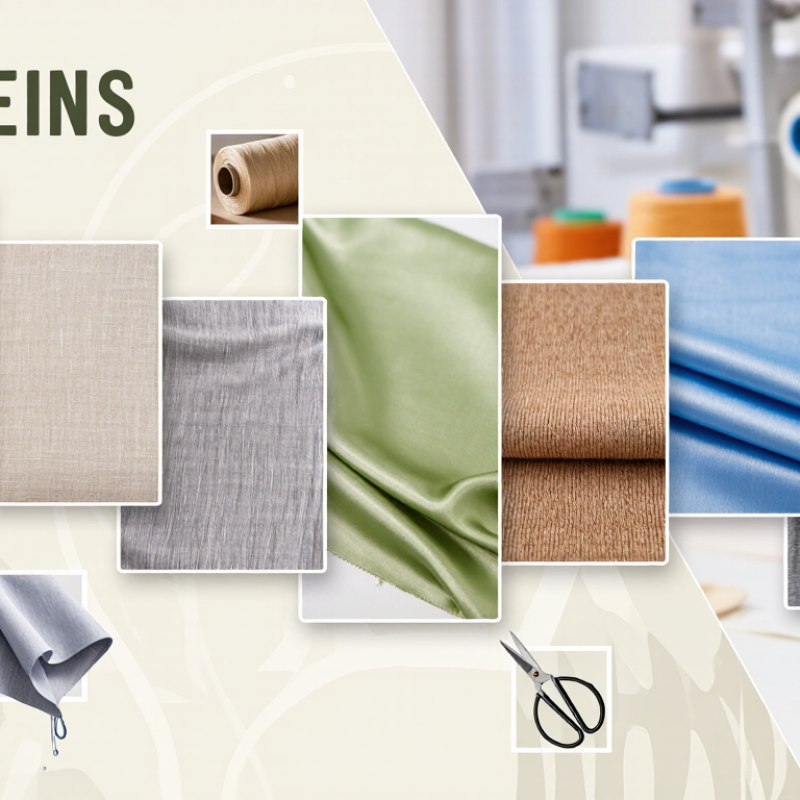
Comfort in bulk orders starts with the wearer, not a fabric label. Cotton jersey suits soft everyday tops; poplin brings a crisper feel to shirts. Linen feels airy in warm weather, while merino wool helps regulate temperature in layered garments. Lyocell offers a smooth drape, polyester mesh supports breathable sportswear, and cotton-elastane blends add stretch for movement. Touch tests matter. Request swatches, then assess them after washing; hand feel can change.
Fiber choice also affects sourcing and production decisions. Textile Exchange’s Materials Market Report 2024 estimates that global fiber production reached 124 million tonnes in 2023, with polyester accounting for 57 percent. That scale makes polyester widely available, but availability alone does not make it comfortable. Match fiber to fabric construction, garment fit, climate, and care routine. A tightly woven fabric may feel warmer than its fiber suggests, while loose knits can snag or lose shape. For bulk evaluation, test shrinkage, pilling, seam comfort, and colorfastness on finished samples. A neat specification sheet still misses real wear; wearer trials can reveal irritating seams or heat buildup before thousands of garments are made.
Choosing fabric in bulk means balancing comfort, cost, care, and consistent supply. Cotton feels familiar against skin and handles frequent washing well, though it may shrink or wrinkle. Linen feels cool and airy on warm days, but creases quickly and can feel crisp before softening. Feel matters.
Rayon drapes smoothly and suits flowing shirts or dresses, yet it can weaken when wet and may need gentle care. Modal usually feels softer and holds its shape better through repeated wear. Bamboo viscose is often marketed as breathable and silky; its actual feel and performance depend on the yarn and finishing process. Don’t assume the fiber name guarantees comfort.
Wool helps regulate warmth and works well for layers, but some people find it itchy, and laundering needs attention. Polyester is durable, dries quickly, and often keeps its shape, though it may feel warm during active wear. For a bulk order, compare fabric swatches under real conditions: sit in them, wash them, and check seams after drying. Test it first. I would not choose from a supplier’s sample alone; one small swatch cannot show every production-batch difference. Confirm weight, stretch, color consistency, and care instructions before approving the full quantity.
| Fabric | Fiber source and type | Comfort characteristics | Care and common limitations | Bulk-order considerations |
|---|---|---|---|---|
| Cotton | Natural cellulose fiber from cotton plants. | Breathable and absorbent; commonly used for everyday shirts, underwear, and casual garments. | Can wrinkle and shrink, especially with high heat, unless the fabric or garment has been treated or pre-shrunk. | Widely used across many garment types. Confirm fabric weight, shrinkage allowance, color consistency, and whether the cotton is combed or otherwise specified. |
| Linen | Natural cellulose fiber made from flax stems. | Airy and absorbent, with a crisp feel that is well suited to warm-weather clothing. | Wrinkles readily and may shrink if washed or dried with excessive heat. Softer hand feel can develop with use and laundering. | Useful for warm-weather collections. Check fabric weight, expected wrinkling, color variation, and shrinkage before placing a large order. |
| Rayon (Viscose) | Regenerated cellulose fiber, commonly made from wood pulp. | Often has a soft hand, fluid drape, and good moisture absorption. | Some viscose fabrics lose strength when wet and may shrink or distort; care needs depend on fabric construction and finishing. | Specify the exact fiber and fabric construction. Test laundering, dimensional stability, and colorfastness on production samples. |
| Modal | A type of regenerated cellulose fiber, commonly produced from beech wood pulp. | Typically soft and smooth, with good drape and moisture absorption. | Care performance varies by fabric and blend. Follow the garment’s care instructions rather than assuming all modal fabrics behave alike. | Often selected for soft tops, underwear, and lounge clothing. Confirm fiber content, fabric weight, blend ratios, and wash-test results. |
| Bamboo Viscose | Regenerated cellulose fiber made from bamboo pulp using a viscose-type process. | Often soft and absorbent, with a smooth feel; comfort also depends on knit or weave and fabric weight. | Care and durability depend on construction and finishing. Bamboo origin alone does not establish a finished fabric’s environmental impact or special performance claims. | Check that fiber content is described accurately and request relevant processing or sourcing documentation if environmental attributes are part of the specification. |
| Wool | Natural animal-protein fiber, usually obtained from sheep. | Helps insulate in cool conditions and can absorb moisture vapor while retaining a comparatively dry feel. | Some wool fabrics can shrink or felt with heat, moisture, and agitation. Care requirements vary; some garments need gentle washing or dry cleaning. | Consider fiber grade, fabric weight, intended season, and care-label requirements. Test for shrinkage and appearance after the expected cleaning method. |
| Polyester | Synthetic polymer fiber, most commonly polyethylene terephthalate (PET). | Durable and quick-drying; often used in garments designed for frequent wear or easy care. | Generally absorbs less moisture than cotton or cellulosic fibers and may build static or retain odors. High heat can damage some polyester fabrics. | Useful where durability and quick drying are priorities. Verify fabric weight, breathability, pilling resistance, colorfastness, and any recycled-content claims. |
Fabric performance varies with fiber grade, yarn, knit or weave, fabric weight, finishing, and blends. For bulk orders, evaluate representative samples and confirm specifications before production.
For bulk clothing, ASTM D1909 regain benchmarks offer a useful starting point: cotton is 8.5%, linen 12%, and rayon 11%. Regain describes moisture held by a dry fiber under defined reference conditions, expressed as a percentage of its dry mass. Useful, but not decisive. Linen’s higher figure does not automatically mean a garment will feel cooler or stay dry. Fiber fineness, yarn twist, fabric construction, and finishing also shape how clothing feels against skin.
When comparing supplier samples, handle swatches in the same room and note their weight, softness, and drying behavior after a small, consistent water application. Test the fabric. A light cotton jersey may feel airier than a dense linen weave, while rayon’s moisture uptake can feel pleasant in warm conditions but varies with construction. I would be cautious about treating a table value as a comfort score; it isn’t one. For larger orders, check the exact fiber blend and request samples from the intended production fabric. Even then, indoor benchmarks cannot fully predict wear in humid weather or after repeated washing.
Moisture regain helps explain why wool and polyester feel different in everyday clothing. ASTM D1909, the Standard Table of Commercial Moisture Regains and Moisture Contents, lists wool at 16% and polyester at 0.4%. These figures describe moisture relative to the fiber’s oven-dry mass. Wool can absorb more water vapor before feeling clammy. Polyester takes up very little moisture. A wool sweater may feel more comfortable during a cool walk, while a polyester shirt can dry quickly after washing. Small details matter.
For bulk clothing, that contrast is useful, but it is not a complete fabric test. A 0.4% regain does not guarantee that a polyester garment will feel cool or dry. Knitting structure, yarn shape, fabric weight, and finishing all affect how sweat moves across the skin. Wool can also feel heavy when wet, especially in dense fabrics. Test the actual fabric, not just its fiber label. A simple wear trial helps: check the garment after a brisk walk, then again after laundering. Results may surprise you.
Choosing fabric for a bulk clothing order starts with how garments will be worn and washed. Cotton jersey feels soft against the skin and suits everyday T-shirts, but lighter weights may twist or lose shape. Midweight jersey offers more structure. Test a sample after repeated washing.
French terry, fleece, and sweatshirt knit work well for cooler settings. Their brushed or looped interiors add warmth, while heavier weights can increase shipping costs and drying time. For uniforms or frequent wear, consider cotton-polyester blends; they often dry faster, though the hand feel may be less natural. Rib knit adds stretch at cuffs and collars. Small details matter.
For warm-weather shirts, linen and lightweight cotton breathe well, but both can wrinkle. That may be fine for relaxed clothing, less so for a polished uniform. Woven twill and poplin hold a cleaner shape for trousers, overshirts, or workwear. Finish also changes care: enzyme washing can soften cotton, while wrinkle-resistant treatments may affect feel and performance. Ask for fabric weight, fiber content, shrinkage guidance, and care instructions before approving production. Wash a finished sample, not just a fabric swatch. Bulk orders magnify small problems. A detail I sometimes overlook is how a fabric feels after a full day, not just at first touch.
Cotton jersey feels soft for everyday tops. Poplin gives shirts a crisper feel, while linen feels airy in warm weather.
No. Fabric construction, garment fit, climate, and finishing all affect comfort. Touch matters.
Request swatches, wash them, and check their feel afterward. Sit and move in finished samples, then inspect seams and shape.
Notice heat buildup, irritating seams, and fabric changes after a brisk walk. Test again after laundering. Small details matter.
Wool has a listed regain of 16%, compared with 0.4% for polyester. Wool can absorb more water vapor, while polyester dries quickly.
No. Knit structure, yarn, fabric weight, and finishing affect how sweat moves. A polyester shirt may still feel warm during activity.
Cotton may shrink or wrinkle; linen creases quickly. Rayon can weaken when wet, while wool may itch for some wearers.
Check weight, stretch, color consistency, care instructions, shrinkage, pilling, and seam comfort. One small swatch may not represent every production batch. I would not rely on it alone.
Choosing the Best Fabrics For Comfortable Clothing in bulk starts with matching fiber properties to the garment’s intended use, wearer needs, and care requirements. Cotton, linen, rayon, modal, bamboo viscose, wool, and polyester each offer different combinations of softness, breathability, drape, warmth, and durability. Fabric construction matters too: a knit may suit flexible everyday wear, while a woven fabric may provide a different structure and finish.
ASTM D1909 moisture-regain benchmarks help compare how fibers interact with moisture: cotton is 8.5%, linen 12%, and rayon 11%; wool is higher at 16%, while polyester is much lower at 0.4%. These figures are one factor in fabric selection, not a complete measure of comfort. For bulk orders, consider them alongside fabric weight, knit or weave, finishing, expected climate, garment purpose, and washing instructions to choose materials that feel comfortable and remain practical in regular use.
