Choosing the right fabric is essential for comfortable clothing. The best fabrics for comfortable clothing enhance your daily wear. Whether lounging at home or out and about, fabric choice matters.
Natural fibers like cotton and linen are well-known for their breathability. They keep you cool in summer and warm in winter. For a cozy feel, consider fabrics like modal or bamboo for softness. However, not all options are perfect; some may be prone to wrinkling or fading.
Synthetic fabrics, such as polyester, offer durability but can trap moisture. This might lead to discomfort in hot weather. Always consider your lifestyle when selecting fabrics. The best fabrics for comfortable clothing should fit your needs and preferences, but they may require careful maintenance. Constantly evaluate your clothing choices for both comfort and practicality.
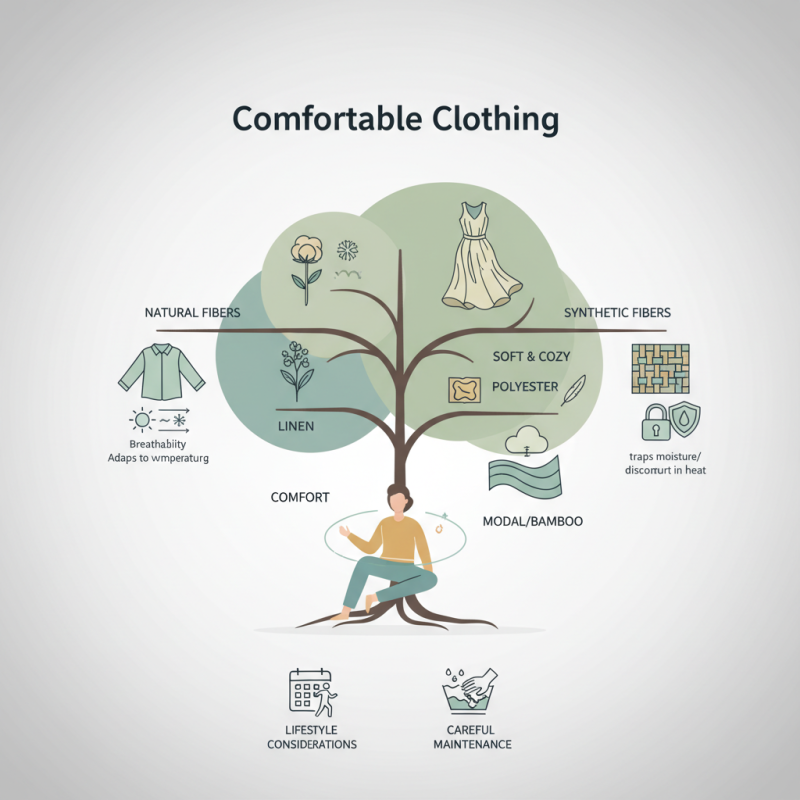
When choosing comfortable fabrics for clothing, it’s essential to consider certain features. Breathability is one of the most important traits. Natural fibers like cotton and linen allow air to circulate, keeping you cool. Fabrics with moisture-wicking properties can also help to manage sweat, which is crucial for active wear.
The softness of a fabric significantly affects comfort. Fabrics like modal or bamboo are known for their luxurious feel against the skin. However, not every soft fabric is durable. It's important to find a balance between softness and longevity. Additionally, the stretchability of a fabric can enhance comfort, allowing for freedom in movement. Look for materials with a slight stretch when shopping for daily wear.
Weight is another factor that affects comfort. Lightweight fabrics are ideal for hot climates, while heavier weights provide warmth in cooler seasons. Understanding your daily environment is key to making the right choices. Pay attention to how fabrics feel during different activities. Some may feel great in the store but are uncomfortable after hours of wear. Exploring various options and reflecting on your needs will guide you to the best choices for comfort.
Natural fibers like cotton and linen are increasingly favored in comfortable clothing. These materials offer multiple benefits that enhance the wearing experience. According to the Cotton Incorporated Lifestyle Monitor, 85% of consumers prefer cotton for its softness and breathability. This fiber regulates body temperature well, making it ideal for various climates.
Linen, derived from the flax plant, is another excellent choice. It has a unique texture that not only provides comfort but also offers natural moisture-wicking properties. The European Confederation of Flax and Hemp reported that linen can absorb up to 20% of its weight in moisture. This characteristic is essential during hot weather.
However, both cotton and linen come with their challenges. Cotton production has significant environmental impacts, such as heavy pesticide use. Linen, while sustainable, can be prone to wrinkles. These factors call for more sustainable practices in the textile industry. Choosing fabrics responsibly can lead to better comfort and reduced environmental footprints.
| Fabric Type | Benefits | Ideal Uses |
|---|---|---|
| Cotton | Soft, breathable, absorbent, hypoallergenic | T-shirts, underwear, bed linens |
| Linen | Strong, lightweight, highly breathable, moisture-wicking | Summer clothing, tablecloths, curtains |
| Bamboo | Sustainable, antibacterial, moisture-wicking | Activewear, pajamas, bed sheets |
| Hemp | Durable, UV resistant, breathable | Outdoor wear, bags, eco-friendly clothing |
When it comes to comfort in clothing, synthetic fabrics like polyester and spandex are at the forefront. Polyester is known for its durability and resistance to wrinkles. It breathes relatively well, making it a popular choice for activewear. However, some may find it lacks the softness of natural fibers. This could leave wearers feeling a bit less cozy during long days.
Spandex, on the other hand, offers a different advantage. It's stretchy and allows for freedom of movement. Many clothing items include a blend of spandex for that snug fit, perfect for yoga or dance. But, spandex can also trap heat, which might not be ideal for everyone. While it enhances comfort through flexibility, the heat retention can lead to discomfort in warmer conditions.
Both polyester and spandex have their roles in creating comfortable clothing. They each have strengths, but they also come with drawbacks. Personal preference plays a huge part in choosing the right fabric. Some people value breathability, while others prioritize a soft touch. Understanding these factors can significantly influence your clothing choices.
In the quest for comfortable clothing, breathability and moisture-wicking properties are key factors to consider. Natural fibers like cotton and linen excel in breathability. They allow air to circulate, reducing the chance of overheating. Reports indicate that cotton can absorb up to 25 times its weight in water, making it an excellent choice for hot weather. However, while cotton is breathable, it may not dry quickly if wet.
Synthetic fabrics like polyester and nylon are designed for moisture-wicking. These materials pull sweat away from the skin, allowing it to evaporate more quickly. Studies show that polyester can dry up to five times faster than cotton. This property is crucial for activewear or during humid conditions. Nevertheless, some may find synthetic materials less comfortable against the skin.
It's important to note that the ideal fabric choice can vary by personal preference and specific activities. Some may prefer the softness of cotton, while others appreciate the quick-drying capabilities of synthetics. Always consider comfort and the intended use of clothing. A blend of materials might offer a balance between breathability and moisture management. Experimenting with different fabrics can lead to surprising discoveries about what truly feels best.
When considering eco-friendly fabrics for comfortable clothing, several options stand out. Organic cotton is a popular choice. It’s grown without harmful chemicals. This makes it safe for both people and the planet. Hemp is another fantastic option. It's durable, requires less water, and improves soil health. Linen, made from flax, is breathable and naturally resistant to mold.
Tips: Look for certifications like GOTS or OEKO-TEX. These labels ensure that the fabric is responsibly sourced. Always consider the manufacturing process. Sustainable methods often yield better comfort and quality.
Bamboo fabric has gained attention for its softness. It's biodegradable and quickly grows without pesticides. However, not all bamboo processing is eco-friendly. Some methods can be harmful. Understanding the process is crucial. Observe the feel of various fabrics to find what suits you best. Let your comfort guide your choices.
: Cotton is favored for its softness and breathability. It regulates body temperature well in various climates.
Linen can absorb up to 20% of its weight in moisture, making it ideal for hot weather.
Yes, cotton production often involves heavy pesticide use, impacting the environment significantly.
Linen can be prone to wrinkles, which may affect its appearance and ease of wear.
Polyester is durable, resists wrinkles, and is a popular choice for activewear due to its breathability.
Spandex can trap heat, leading to discomfort in warmer conditions, despite its flexibility.
Opt for organic cotton, hemp, and bamboo, but check for certifications like GOTS or OEKO-TEX to ensure quality.
Bamboo fabric is soft, biodegradable, and grows quickly without pesticides, though processing methods vary.
Consider personal preferences such as breathability and softness. Test different fabrics to find what feels best.
Sustainable methods often yield better comfort and quality. Understanding the process is crucial for making informed choices.
When it comes to the "Best Fabrics For Comfortable Clothing," understanding the essential features of fabrics is crucial. Comfortable clothing typically incorporates natural fibers like cotton and linen, which are soft, breathable, and provide excellent moisture absorption. These materials help keep the body cool and comfortable in various weather conditions.
Additionally, synthetic fabrics such as polyester and spandex offer stretch, durability, and ease of care, making them popular choices for activewear. The breathability and moisture-wicking properties of these fabrics enhance comfort further, allowing for better ventilation during physical activities. Lastly, the rise of sustainable fabrics presents eco-friendly options that not only contribute to comfort but also prioritize environmental responsibility. By considering these elements, individuals can make informed choices about the best fabrics for their clothing needs.
