A capsule wardrobe is a small, considered collection of clothes that work well together. It is not simply a closet with very few items. The goal is to keep pieces you wear often, feel comfortable in, and can combine for different occasions. Picture a favorite jacket, two pairs of well-fitting trousers, and shirts that work with both. Less clutter. More useful choices.
The right wardrobe depends on your routine, climate, budget, and personal taste. A teacher who walks to work may need different pieces from someone who works at home. There is no magic number of items, and strict rules can make the process less practical. Some pieces may surprise you by earning their place; others may look versatile on a hanger but rarely leave the closet.
How To Build A Capsule Wardrobe starts with noticing what you already wear. Check your calendar, identify dependable favorites, and set aside items that need repair or no longer suit your life. Then choose a flexible color palette and add pieces that fill real gaps, rather than buying a complete new set. A simple outfit test helps: can you pair a top with several bottoms you own? Keep comfort, fit, and care requirements in mind, too. Linen wrinkles; delicate fabrics take extra attention. That can take a few tries. This guide explains how to define your needs, edit thoughtfully, and build a wardrobe that feels useful in everyday life—not just polished in a photograph.
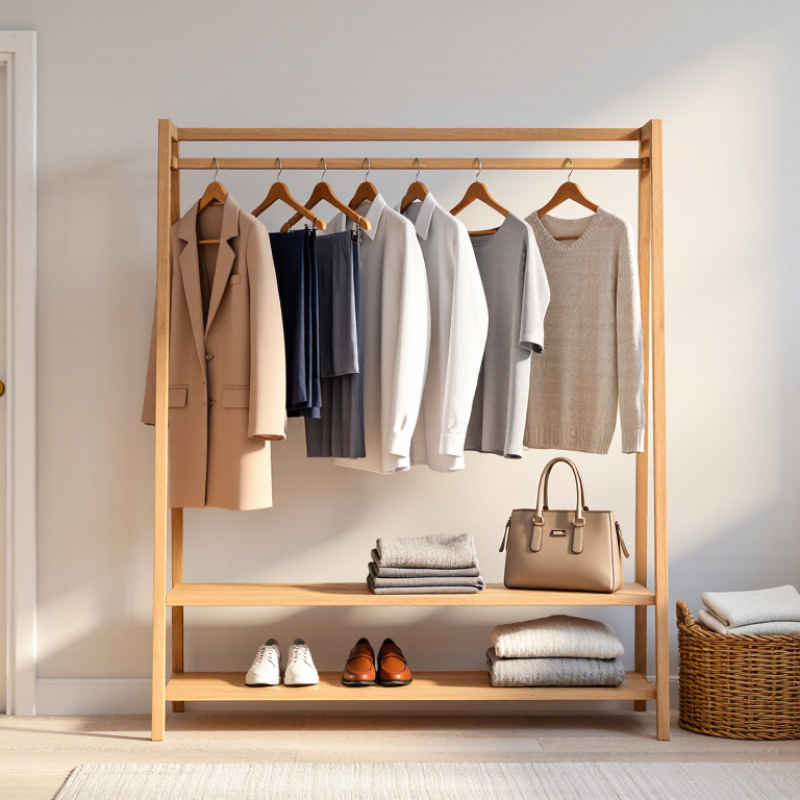
A capsule wardrobe is a deliberately small, coordinated set of clothes worn repeatedly across different parts of daily life. It is defined less by an exact item count than by fit, usefulness, and how well pieces work together. A navy trouser, soft white shirt, and weather-ready jacket can create several outfits without looking identical. Not a uniform. Its boundaries depend on climate, work, laundry access, mobility, and personal taste. A count like thirty-three may help some people edit, but it is not a rule.
The strongest capsule wardrobes share a few traits: most pieces suit the wearer now, colors and shapes combine easily, and each item earns its space through regular use. Now matters. Clothes kept for an imagined future can crowd out items that fit today’s body and routine. Choose a typical week and note what gets worn, washed, repaired, or avoided. Look at the reasons. A scratchy collar or a skirt that needs special shoes may explain more than a closet inventory.
A capsule is not automatically neutral-colored, expensive, or minimal. Someone may rely on patterned shirts, bright scarves, or several work layers; those choices still count if they are repeated and useful. Keep enough variety for heat, rain, and temperature swings, rather than forcing every item to match. The system can fail. I might still keep a rarely worn coat because I like its pockets; that is a choice, not proof the method is broken. Revisit the set after a season, and change it when daily life changes.
An example 30-piece capsule wardrobe groups versatile items into a small set of categories. The counts are a sample planning framework, not a fixed rule; choose pieces that suit your climate, lifestyle, and personal style.
A capsule wardrobe works by making a smaller group of clothes serve more everyday needs. The pieces should fit your actual routine, climate, and comfort—not an idealized lifestyle. A useful starting point is to track what you wear for two weeks. Notice repeated combinations, neglected items, and practical gaps, such as a warm layer for a chilly commute. Then choose a manageable set of tops, bottoms, layers, and shoes that work together. There is no universal item count. A nurse, a remote worker, and a parent may need very different capsules.
The system depends on repeatable outfits, not strict minimalism. For example, one pair of dark trousers might work with a soft knit, a crisp shirt, and a light jacket. Keep a few colors and shapes compatible, but include something you genuinely enjoy wearing. That is the mechanism. Repetition can feel dull, and a capsule can fail when it ignores weather, laundry schedules, or changing needs. Leave room to adjust instead of buying replacements too quickly. WRAP’s 2012 report, Valuing Our Clothes, estimated that extending clothing’s active life by nine months could reduce its carbon, water, and waste footprints by around 20–30%. Wearing useful pieces longer is one practical benefit, though the report’s estimate does not guarantee the same result for every garment or household.
Start with the week you actually live, not an imagined one. Track seven ordinary days and note what you wear, where you go, and what the weather demands. Write down practical details: a long commute, a uniform, muddy walks, or frequent video calls. Be specific. Three office outfits may matter more than one formal dress. The Ellen MacArthur Foundation’s A New Textiles Economy report estimated that clothing utilisation fell by 36% between 2000 and 2015. That decline is a useful reminder to build around clothes you will genuinely wear, not just admire.
Take every item from your wardrobe and sort it by type. Try pieces on, then check comfort, fit, repairs, and whether they suit your real routine. Make three piles: wear often, reconsider, and repair or tailor. Don’t force a neat answer. A jacket may look useful but pinch when you reach for a bag; I might keep it anyway, then regret the wasted space. WRAP’s Valuing Our Clothes report estimated that extending a garment’s active life by nine months could reduce its carbon, water, and waste footprints by 20–30%. Keep a simple list of gaps, but wait before filling them. Some gaps disappear once forgotten clothes return to rotation.
A capsule wardrobe works best when its colors suit your actual routines, not an idealized version of your life. Look at the clothes you reach for each week. Do they lean warm, cool, muted, or bright? Choose two or three base colors, such as navy, charcoal, or cream, then add one or two accents. Keep a scarf or favorite shirt nearby while comparing shades in daylight. Small differences matter.
Start with real life. For a simple palette, try navy, white, and olive, with rust as an accent. If you wear mostly dark trousers, a pale top may create useful contrast. The palette need not be perfectly consistent. A color you love but rarely wear may not earn space, and that is worth noticing.
Choose core pieces around repeated needs: a comfortable pair of trousers, a layer for changing temperatures, and tops that work with both. Check fabric weight, care instructions, and fit while moving, sitting, and reaching. A neat-looking jacket is less useful if it pulls at the shoulders. Add pieces gradually; a short list can feel restrictive at first. Your first version may be wrong. Track what stays unworn for a month, then adjust the colors or shapes instead of forcing yourself to wear them.
| Category | Core Piece | Suggested Quantity | Palette Guidance | What to Look For | Ways to Wear It |
|---|---|---|---|---|---|
| Color palette | Base neutrals | 2–3 colors | Navy, charcoal, camel, cream, or black | Choose shades that work with your existing clothes and suit your everyday setting. | Use these colors for larger pieces such as trousers, coats, skirts, and shoes. |
| Color palette | Light neutral | 1–2 colors | White, ivory, soft grey, or light beige | Select a shade that complements your base neutrals and is practical to maintain. | Use for shirts, T-shirts, knitwear, or layering pieces to brighten outfits. |
| Color palette | Accent colors | 1–3 colors | For example, forest green, burgundy, rust, or blue | Pick colors you enjoy wearing and can combine with several items in your wardrobe. | Add through a top, scarf, bag, or other small item rather than relying on many statement pieces. |
| Tops | Everyday T-shirts | 3–5 | Mostly light and dark neutrals, with an optional accent | Look for comfortable fabric, a fit you can layer, and care instructions that suit your routine. | Wear with jeans, tailored trousers, skirts, or beneath a cardigan or jacket. |
| Tops | Button-front shirt or blouse | 1–2 | White, pale blue, cream, or a selected accent | Choose a versatile cut that can be worn tucked in, open over a top, or on its own. | Pair with trousers for a polished outfit or with denim for a relaxed look. |
| Layers | Knitwear or cardigan | 2–3 | One base neutral and, if useful, one accent color | Consider climate, softness, weight, and whether the piece layers comfortably over tops. | Wear over a shirt or T-shirt; use a lighter knit in mild weather and a warmer one in cold weather. |
| Bottoms | Everyday trousers | 1–2 | Navy, charcoal, black, or another chosen base neutral | Prioritize comfortable movement, a useful fit, and a fabric suited to your regular activities. | Combine with T-shirts, shirts, knitwear, and either casual or dressier footwear. |
| Bottoms | Jeans or casual alternative | 1–2 | Choose a wash or neutral shade that coordinates with your tops | Select a comfortable cut and a level of formality that fits your lifestyle. | Wear with simple tops and layers for everyday outfits. |
| Bottoms | Skirt or second trouser style | 1–2 | Use a base neutral or a color already present in your palette | Choose based on personal preference, climate, and the occasions you dress for most often. | Coordinate with several existing tops and a layer to create more outfit combinations. |
| One-piece | Versatile dress or jumpsuit | 1–2 | Neutral or a repeatable accent color | Look for a comfortable fit and a design that can be dressed up or down with layers and accessories. | Wear alone in warm weather or add a cardigan, jacket, tights, or other season-appropriate layers. |
| Outerwear | Everyday jacket or coat | 1–2 | A base neutral is easiest to coordinate | Choose warmth, length, and weather protection according to your local climate. | Wear over most outfits; a simple color helps it work across multiple combinations. |
| Footwear | Everyday shoes | 1–2 pairs | Neutral shades that coordinate with your usual outfits | Prioritize fit, comfort, durability, and suitability for the surfaces and weather you encounter. | Choose a casual pair for daily wear and, if needed, a more polished pair for work or occasions. |
| Accessories | Scarf, belt, or bag | 2–4 items total | Repeat a base neutral or use one of your selected accent colors | Favor items that complement several outfits rather than a single special-purpose look. | Use small accessories to vary familiar combinations without adding many garments. |
| Planning note: A capsule wardrobe is a practical, coordinated collection—not a fixed number of garments. Adjust quantities for your climate, work needs, laundry routine, budget, and personal style. Before buying, check whether a new item works with several pieces you already own. | |||||
A capsule wardrobe is not a fixed number of clothes; it is a small, coordinated set you can wear often. Begin by checking what you already reach for, rather than buying a matching set of basics. For two weeks, note which outfits feel comfortable at work, at home, and outdoors. Be honest.
Lay your useful pieces on a bed or clean floor. Look for colors that work together and fabrics suited to your routine, such as breathable cotton for warm days or a washable knit for frequent wear. Choose a restrained color range, then add one or two colors you genuinely enjoy. Check each item for fit, comfort, and condition. A shirt that pinches at the shoulders will not become useful just because it matches your trousers. Build several outfits from the pieces you keep. Phone photos can reveal combinations you overlook.
Wear the smaller selection for a few weeks before filling any gaps. Notice what you repeatedly wish you had: perhaps a layer for chilly mornings or shoes suitable for a long walk. Some choices will miss. I have kept “versatile” pieces that looked right on a hanger but stayed untouched in my drawer. That gap matters. Add an item only when you can name the outfits and situations it will serve, and leave room to change your mind.
Track seven ordinary days. Note your outfits, destinations, commute, weather, and any work uniform. Real routines reveal more than imagined plans.
Group clothes into “wear often,” “reconsider,” and “repair or tailor.” Try each piece and check its comfort, fit, and condition.
Keep a simple gap list, but wait before shopping. Forgotten pieces may return to your rotation. Not always.
Pick two or three base colors and one or two accents. Compare shades in daylight beside a favorite shirt or scarf.
No. Navy, white, and olive can work with rust as an accent. A slightly imperfect palette may feel more personal.
Choose clothes for repeated needs, such as comfortable trousers, adaptable layers, and tops that work with several outfits.
Sit, reach, and move in it. A jacket that pulls across your shoulders may look neat but feel wrong.
Notice what stays unworn for a month, then reconsider its color, shape, or place in your routine. Keeping a pinching jacket may waste space.
A capsule wardrobe is a thoughtfully edited collection of versatile clothes that work well together, making it easier to get dressed with fewer pieces. Rather than following every trend, it focuses on items suited to your daily activities, personal style, and the climate where you live. A well-planned wardrobe can help you make better use of what you already own and avoid keeping clothes that rarely fit your needs.
How To Build A Capsule Wardrobe starts with reviewing your lifestyle and sorting through your existing clothes. Keep pieces you wear often and feel comfortable in, then identify any practical gaps. Choose a cohesive color palette so tops, bottoms, and layers can be mixed and matched, and select core pieces for different occasions. Assemble outfits from these items, notice what combinations work, and refine the collection over time. The goal is not to follow a strict clothing count, but to create a useful wardrobe that feels personal and easy to maintain.
