Top 10 Fashion Clothing Trends for Modern Lifestyles

Time:2026-11-15 Author:Isabella
0%

Fashion choices now move between work, travel, home, and social plans, often within a single day. Fashion Clothing Trends For Modern Lifestyles reflects that shift: style should feel current and work in real routines. A soft knit set may suit a commute; a relaxed blazer can make an outfit meeting-ready. Practicality counts. So does personal taste.

This guide explores ten trends through wearability, fabric, fit, and care—not just runway appeal. Expect versatile layers, breathable materials, updated denim, useful bags, and silhouettes that allow movement. Small details matter. A roomy pocket, a washable finish, or comfortable shoes can change how often an item gets worn. A useful wardrobe also depends on repeat wear, easy care, and pieces that pair with what you already own. These examples are starting points, not rules. Bodies, climates, budgets, and workplaces differ, so a trend that feels effortless for one person may feel awkward for another. A trend can look convincing in a photograph and feel different after eight hours on your feet. Trend reporting can also overstate what is new; some “fresh” ideas are familiar pieces styled differently. That deserves a closer look. The aim is to help readers judge what earns space in their wardrobes, choose quality where possible, and adapt ideas without chasing every seasonal release. Style should serve the day—not create extra work.
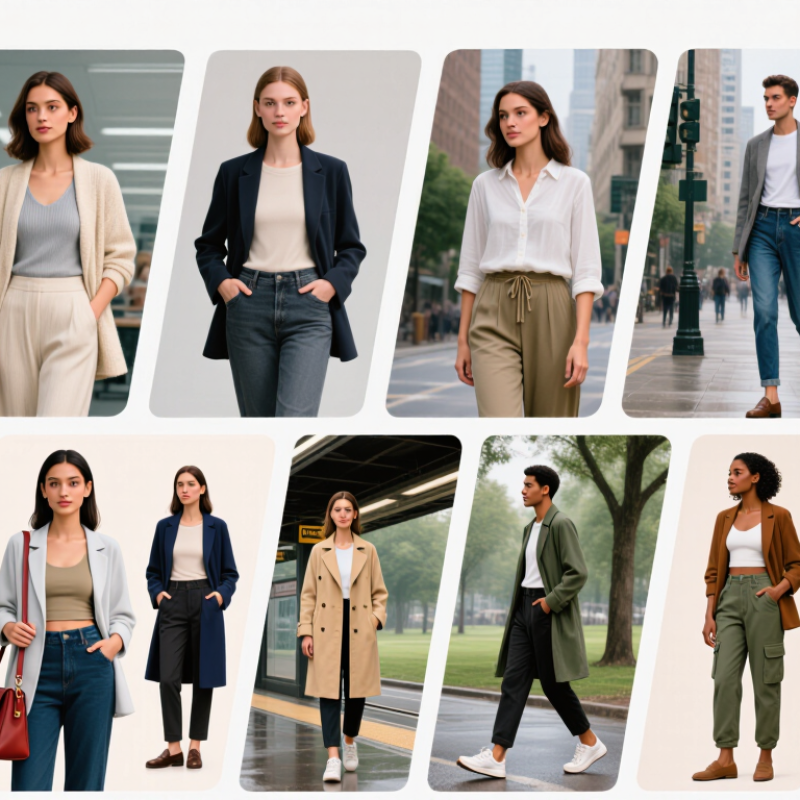
Top 10 Fashion Clothing Trends for Modern Lifestyles

How Modern Lifestyles Influence Clothing Choices

Modern life rarely happens in one place. A workday may move from a crowded train to a desk, then to a grocery stop or school pickup. Clothes need to keep up without feeling like a uniform. Soft trousers, breathable layers, and shoes with steady soles often get more use than dramatic pieces. Small details matter.

Hybrid schedules have also changed what people expect from everyday clothing. A shirt might need to look neat on a video call but feel comfortable during a long commute. Natural fibers can feel airy, while some blended fabrics resist wrinkles better; the right choice depends on climate, care habits, and personal comfort. Check the fabric label, and try sitting or reaching in a garment before buying it. A fitting-room mirror cannot show everything.

There is no perfect capsule wardrobe. I have kept pieces that looked versatile on a hanger but felt awkward after an hour of walking. That was a useful, if slightly annoying, lesson. Many people now mix relaxed cuts with sharper details, such as a loose overshirt over a clean, fitted top. Pockets, washable fabrics, and adjustable waistbands can matter more than a trend forecast. Yet convenience can become an excuse to wear the same safe outfit every day. A little color, texture, or a familiar accessory can make practical clothing feel more personal.

The Ten Defining Clothing Trends of Today

Modern wardrobes are shaped by clothes that feel considered without being difficult to wear. Relaxed tailoring softens structured jackets, while wide-leg trousers create room to move. Elevated basics, such as a crisp white shirt or a substantial cotton tee, make everyday outfits feel more intentional. Utility details bring practical pockets and adjustable waists into casual clothing. Textured knits add depth, especially when layered over a smooth shirt.

Denim remains useful, but straighter cuts often balance comfort with a neat outline. Monochrome outfits create a clean look through subtle changes in fabric and tone. Earthy colors, including olive and warm brown, pair easily with existing clothes. Lightweight layers make shifting temperatures easier to manage. Coordinated sets offer a quick outfit, though they can feel overly uniform without a contrasting accessory. Trends are not universal. A roomy cut may feel freeing on one person and awkward on another; fit still matters.

Tips: Check the fabric, seams, and ease of movement before buying. Try a new silhouette with one familiar piece, like a well-fitting tee. Comfort matters. If a trend needs constant adjusting, it may not suit your routine.

Top 10 Fashion Clothing Trends for Modern Lifestyles - The Ten Defining Clothing Trends of Today

Trend Defining Features Common Clothing Pieces Materials and Details Why It Fits Modern Lifestyles Practical Styling Idea
Relaxed Tailoring Classic tailored shapes with looser proportions and less restrictive construction. Roomy blazers, wide-leg trousers, relaxed waistcoats Wool blends, cotton twill, linen blends, soft shoulders Combines a polished appearance with comfort for work, travel, and everyday wear. Pair a relaxed blazer with a simple T-shirt and straight-leg trousers.
Versatile Layers Lightweight pieces designed to be added or removed as temperatures and settings change. Overshirts, cardigans, lightweight jackets, long-sleeve tops Cotton, merino wool, denim, breathable knits Layering helps people adapt to changing weather, indoor climates, and busy schedules. Wear a fine knit under an overshirt with a light jacket for cooler conditions.
Elevated Everyday Basics Familiar wardrobe staples made more considered through fit, fabric, and construction. Plain T-shirts, shirts, knit tops, simple dresses Organic or conventional cotton, linen, ribbed knits, reinforced seams Easy-to-coordinate basics support repeat wear and reduce the need for complicated outfits. Build an outfit around a well-fitting neutral top and one textured layer.
Utility-Inspired Clothing Functional details such as practical pockets, adjustable hems, and durable closures. Cargo trousers, chore jackets, utility vests, overshirts Cotton canvas, denim, ripstop fabric, sturdy buttons and zippers Useful storage and hard-wearing fabrics suit commuting, errands, and outdoor activities. Balance a pocketed jacket with a simple top and clean-cut trousers.
Comfort-First Dressing Soft, flexible clothing that prioritizes ease of movement without being limited to sportswear. Stretch trousers, soft knit sets, elastic-waist skirts, relaxed tops Jersey, knit fabrics, elastane blends, brushed cotton Comfortable pieces transition easily between home, travel, and casual social settings. Combine a soft knit top with structured trousers for a balanced look.
Denim with a Relaxed Fit Roomier denim silhouettes that offer an alternative to tight-fitting jeans. Straight-leg jeans, wide-leg jeans, denim shirts, relaxed jackets Cotton denim, recycled-cotton blends, varied washes Denim is durable and adaptable, making relaxed cuts practical for frequent everyday wear. Pair straight-leg jeans with a tucked-in shirt and comfortable flat shoes.
Thoughtful Material Choices Greater attention to fabric composition, garment durability, and how clothing is cared for. Long-wearing shirts, knitwear, outerwear, everyday trousers Recycled fibers, organic fibers, linen, durable natural-fiber blends Choosing durable, easy-care garments can support longer use and more considered purchasing. Check fiber content and care instructions, then choose pieces that work with existing clothes.
Expressive Color and Print Colorful accents and noticeable patterns used alongside simple wardrobe staples. Printed shirts, colorful knitwear, patterned skirts, statement tops Printed cotton, woven patterns, dyed knits, color-blocked panels A single expressive item can refresh familiar outfits without requiring a complete wardrobe change. Keep the rest of the outfit simple to let one print or bright color stand out.
Gender-Inclusive Silhouettes Clothing selected for fit, comfort, and personal style rather than traditional gender categories. Oversized shirts, straight-leg trousers, simple knitwear, relaxed jackets Adaptable cuts, adjustable details, comfortable woven and knitted fabrics Flexible shapes make it easier to choose garments based on individual preference and fit. Try different cuts and size options to find the proportions that feel most comfortable.
Day-to-Evening Versatility Polished pieces that can be styled casually during the day and dressed up for evening plans. Midi dresses, dark trousers, refined shirts, simple jackets Crepe, satin-finish fabrics, fine knits, smooth cotton blends Adaptable clothing reduces outfit changes for people moving between work and social activities. Wear a simple dress with a casual layer by day, then change accessories for evening.

Key Features and Uses of Each Trend

Top 10 Fashion Clothing Trends for Modern Lifestyles
Key Features and Uses of Each Trend

Modern wardrobes need comfort without looking unfinished. Relaxed tailoring softens jackets for commuting; wide-leg trousers allow easier movement and pair well with fitted tops. Utility wear adds practical pockets for a phone or keys, while lightweight layers adapt to chilly offices and warm afternoons. Technical outerwear brings water resistance and packable hoods to unpredictable weather. Performance knits stretch through travel or long workdays. Small details matter.

Coordinated sets make dressing quick, though wearing each piece separately adds more outfit options. Straight-leg denim works across casual settings and can be dressed up with a crisp shirt. Versatile basics, such as plain tees and neutral shirts, anchor bolder pieces. Soft fabrics and adjustable waists prioritize ease at home or on the move. Secondhand and vintage clothing can add distinctive cuts while extending a garment’s use. Fit still varies, and “versatile” does not mean every item suits every body.

These trends are practical when chosen for real routines, not just photographs. Check pocket placement, seam strength, fabric care labels, and whether a jacket fits over a sweater. The 2024 ThredUp Resale Report, produced with GlobalData, estimated that the global secondhand apparel market could reach $350 billion by 2028; it also reported 15% growth in 2023. That signals growing interest, not proof that every pre-owned purchase is a better choice. Inspect condition carefully.

Top 10 Fashion Clothing Trends for Modern Lifestyles

Key features, everyday uses, and an editorial versatility rating from 1 to 5.

How to read the chart: Ratings are editorial assessments of how readily each trend can work across work, casual, travel, and layering contexts. They are not survey results or sales statistics.

  • Relaxed tailoring: Soft-shouldered blazers and easy trousers; useful for offices and smart-casual outfits.
  • Athleisure: Sport-inspired, comfortable separates; suited to commuting, errands, and light activity.
  • Knitwear sets: Coordinated knitted tops and bottoms; offer a comfortable, polished outfit with minimal styling.
  • Utility wear: Functional pockets and durable details; practical for everyday errands and travel.
  • Oversized layering: Roomy shirts, coats, and sweaters; useful for adaptable outfits and changing temperatures.
  • Denim separates: Durable jeans, jackets, and shirts; easy to style for casual daily wear.
  • Monochrome basics: Pieces in a single color family; make mix-and-match dressing simple.
  • Technical outerwear: Weather-resistant shells and lightweight jackets; useful for commuting and outdoor wear.
  • Wide-leg trousers: Roomy-cut pants; combine movement and comfort with casual or workwear styling.
  • Natural-fiber essentials: Everyday pieces in fibers such as cotton, linen, and wool; valued for familiar textures and easy outfit pairing.

Choosing Trends for Different Needs and Occasions

Choosing a trend starts with the day you need to dress for. For a long commute, relaxed trousers and a breathable top may work better than a sharply fitted outfit. A light overshirt adds warmth on a cool train and can come off in a crowded office. Comfort matters. Check how fabric feels when you sit, walk, and reach for a bag, not only how it looks in a mirror.

For a dinner or celebration, one statement piece can make familiar clothes feel considered. Try a textured jacket with simple shoes, or a flowing skirt with a close-fitting knit. For active weekends, choose layers that move easily and pockets that hold small essentials. Not every trend works. A color that looks vivid online may feel too loud in daylight, and delicate fabric can be impractical for frequent wear. Consider care labels, weather, and how often you will use each item before buying. I still think it is easy to mistake novelty for usefulness; a small trial, such as wearing a new shape for an ordinary afternoon, can reveal whether it suits your routine.

Balancing Comfort, Personal Style, and Sustainability

Modern wardrobes work best when comfort supports personal style rather than replacing it. Relaxed trousers, breathable cotton shirts, and soft layers can feel easy without looking careless. A useful fit test is simple: can you sit, reach, and walk comfortably in the garment? Move around in it. A flattering outfit matters less if the waistband pinches by lunchtime. Still, comfort is personal; oversized cuts feel freeing to some and cumbersome to others.

Sustainability can start with wearing existing clothes more often, not buying a perfect new wardrobe. Check seams, fabric weight, and care labels before choosing a piece. A sturdy shirt that survives frequent washing may serve better than a delicate trend item. Natural fibers can feel breathable, but they still require resources, and “eco-friendly” claims deserve a careful look. Repairing a loose button is useful. So is admitting that a purchase was a poor fit. I sometimes keep things for the person I hope to become, not the life I actually lead. That deserves a second thought. Combine dependable basics with one detail that feels distinctly yours, such as a bright scarf or unusual sleeve.

FAQS

What should everyday clothing offer for a busy routine?

Choose breathable layers, soft trousers, and steady-soled shoes. They can handle a commute, desk work, and a quick grocery stop.

How can I check whether an outfit feels comfortable?

Sit, walk, and reach for a bag while wearing it. A fitting-room mirror cannot show everything.

Which clothing details are useful for commuting?

Pockets can hold keys or a phone, while adjustable waistbands and washable fabrics make daily wear easier. Comfort matters.

How can I dress neatly for video calls without feeling stiff?

Pair a clean, fitted top with relaxed trousers or an overshirt. Check how the fabric feels during a long day.

What clothes work well when the weather changes?

Lightweight layers can come off in a warm office and add comfort on a cool train. Packable outerwear may help in rain.

How can I make coordinated sets more versatile?

Wear the pieces together for quick dressing, then pair each separately with basics. One set can create several outfits.

What should I consider before buying secondhand clothing?

Inspect seams, stains, fabric condition, and care labels. A low price does not guarantee a useful purchase.

How can I tell whether a trend suits my routine?

Try the item during an ordinary afternoon, not just for a photo. I have bought pieces that looked useful but felt awkward after an hour.

Conclusion

Fashion Clothing Trends For Modern Lifestyles reflect the way people move between work, home, social occasions, and leisure. Today’s clothing choices are shaped by changing routines and a desire for garments that are versatile, comfortable, and expressive. From relaxed everyday essentials and adaptable layers to polished casual pieces and practical activewear, the defining trends combine useful features with contemporary style. Each offers different benefits, such as ease of movement, simple coordination, or suitability for changing weather and settings.

Choosing a trend depends on personal needs, the occasion, and how a garment fits into an existing wardrobe. A thoughtfully selected outfit can feel appropriate for work, travel, or a casual gathering without sacrificing individuality. Comfort and personal style matter, but so does sustainability: choosing durable, wearable pieces and using them in different combinations can help make a wardrobe more considered. The best trends are those that support modern routines while allowing people to feel confident and comfortable.

Isabella

Isabella

Isabella is a dedicated marketing professional with a sharp focus on driving brand growth and engagement through strategic content creation. With an extensive background in digital marketing, she combines her passion for storytelling with her keen understanding of industry trends to deliver......