How To Identify High Quality Clothing When Sourcing Globally?

Time:2026-05-09 Author:Aria
0%

When sourcing globally, knowing how to identify high quality clothing is crucial for success. High-quality garments not only enhance your brand image but also ensure customer satisfaction. With a plethora of options available, distinguishing between quality and subpar items can be challenging.

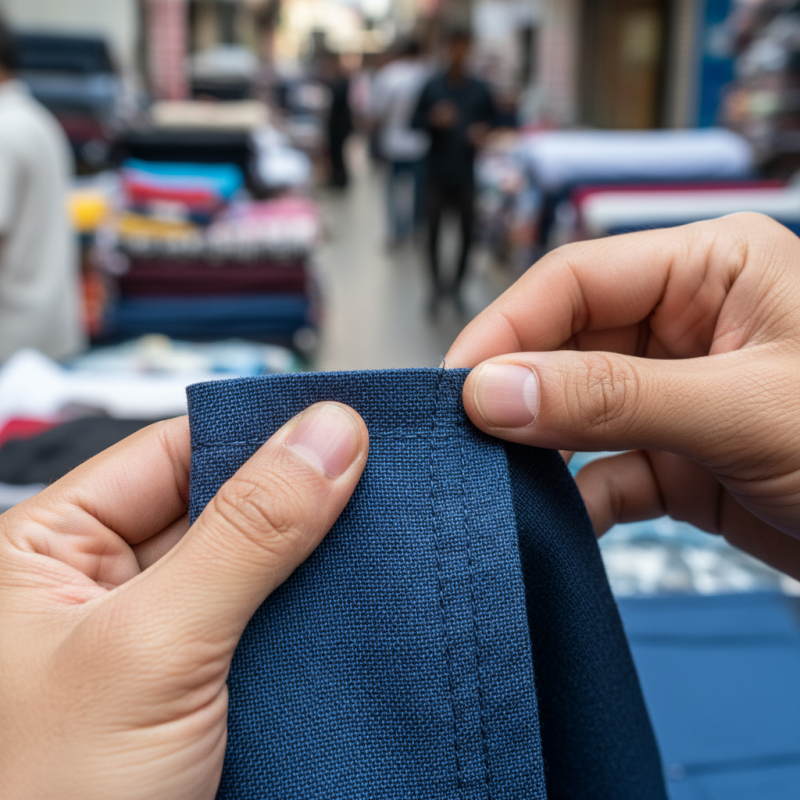
Understanding fabric types, stitching techniques, and finishing details is essential. For instance, tightly woven fabrics often signify durability. Check the seams; clean, even stitches indicate better craftsmanship. Look for brands that are transparent about their sourcing materials.

However, it's also important to reflect on the potential for oversight. Many high-quality materials can be misrepresented, and prices can be misleading. A garment that feels luxurious may not always hold up in the long run. Balancing aesthetic appeal with functionality is vital in decision-making. By honing your skills in identifying key indicators, you will make informed choices in your sourcing ventures.
How To Identify High Quality Clothing When Sourcing Globally?

Understanding the Importance of High-Quality Clothing in Global Sourcing

High-quality clothing is essential in global sourcing. It not only reflects the craftsmanship but also impacts sustainability and consumer trust. When businesses prioritize quality, they build a stronger brand reputation. This becomes crucial in a crowded market where consumers are more discerning than ever.

Tips for identifying quality include examining fabric weight. Heavier fabrics often indicate durability. Pay attention to stitching; tight, even stitches reflect better construction. Check for any loose threads or unfinished hems. These small details can reveal the overall quality of a garment. Inspecting zippers and buttons is equally important. Functional and sturdy hardware enhances the item’s usability and longevity.

Consumer preferences are changing. Many now seek sustainable options and ethical production. High-quality clothing often aligns with these values. However, not all producers adhere to these standards. It can be easy to overlook red flags. Researching supplier backgrounds is vital. Engaging directly with manufacturers can foster long-term relationships while ensuring quality remains a priority.

How To Identify High Quality Clothing When Sourcing Globally?

Feature High Quality Indicators Types of Fabrics Sourcing Regions
Stitching Quality Even stitches, no loose threads Cotton, Wool Italy, Japan
Material Durability Resistant to wear and tear Silk, Linen China, India
Colorfastness Colors do not fade after washing Polyester, Rayon South Korea, Vietnam
Fit and Tailoring Well-fitted garments that enhance body shape Denim, Cashmere USA, Spain
Sustainable Practices Eco-friendly production methods Bamboo, Organic Cotton Portugal, Netherlands

Key Indicators of Quality Materials in Clothing Production

When sourcing clothing globally, assessing material quality is crucial. Certain characteristics can indicate high-quality fabrics. First, consider the texture. A soft, smooth feel often signals a premium material. For example, natural fibers like cotton and linen have unique textures that synthetic options lack.

Next, check for durability. Quality clothing should withstand wear and tear. Look for tightly woven fabrics with a consistent structure. Loose threads or uneven stitching might hint at inferior quality. Additionally, pay attention to the weight of the fabric. Heavier materials generally indicate better durability.

Color and finish also matter. High-quality clothing uses rich, vibrant dyes that resist fading. A well-finished edge indicates care in production. However, some manufacturers cut corners, leading to poor finish. Reflecting on these points can enhance sourcing decisions. Identifying what truly matters in quality can be tough but is essential for creating valuable products.

Evaluating Craftsmanship and Construction Techniques in Apparel

When sourcing high-quality clothing globally, evaluating craftsmanship is crucial. Skilled artisans often use techniques passed down through generations. Specific methods reflect the culture and dedication behind the clothing. For instance, hand-stitched seams can vastly improve durability and visual appeal. According to industry reports, garments made with quality stitching can last up to three times longer than those produced with machine sewing.

Construction techniques also play a significant role. Fabrics should have a weight that feels substantial yet comfortable. Pay attention to the way garments are constructed. Look for reinforced seams, which can enhance longevity. Interestingly, around 70% of consumers consider long-lasting quality important when purchasing clothing, according to recent surveys.

It’s also essential to assess the finishing touches. Details like button attachment and hem integrity can indicate overall craftsmanship. However, not all details ensure quality. For example, some manufacturers may skimp on finishing to cut costs. So, analyzing every aspect becomes necessary for identifying high-quality apparel. Remember, achievability and reflection are vital in sourcing decisions. Mistakes can guide future selections.

Quality Assessment of Clothing Based on Craftsmanship and Construction Techniques

Sustainable Practices as a Measure of Clothing Quality

Sustainable practices are increasingly seen as indicators of clothing quality. Consumers today seek more than just appearance. They want assurance that their clothing has a positive impact. Sustainable sourcing often means low environmental impact. It also signifies ethical labor practices.

Evaluating clothing quality through sustainability involves looking at materials used. Organic cotton and recycled fibers are strong indicators. They minimize harm to the environment and promote a circular economy. Certifications can guide this evaluation, but they may not always tell the full story. Some brands mislabel their sustainability efforts, leading to confusion.

Transparency is critical. Brands that disclose their supply chain details signal reliability and trustworthiness. However, the landscape is complex. Not all sustainable practices are flawless. Some initiatives may lead to greenwashing, where marketing overshadows reality. Critical thinking is necessary to navigate this landscape. Quality clothing promotes not just style, but responsibility.

Building Relationships with Reliable Suppliers for Quality Assurance

Building relationships with reliable suppliers is critical for quality assurance when sourcing high-quality clothing globally. Establishing trust can be challenging but rewarding. Engage with potential suppliers through multiple interactions. Create open channels for communication to discuss expectations and quality standards. Building rapport matters; people often prioritize relationships over transactions.


Tips for establishing reliable supplier relationships:

  • Visit factories if possible. Personal visits create stronger connections and allow for firsthand assessments of production standards.
  • Ask for samples. Evaluate quality before making commitments. This step minimizes potential risks associated with bulk orders.
  • Check references. Speak with other clients to gauge their experiences. Their insights can reveal essential information about a supplier’s reliability.

It's essential to reflect on your approach. Be aware that not every supplier may meet your expectations. Sometimes, cultural differences can lead to miscommunication. Be patient and willing to adapt. Establishing quality relationships takes time and effort, but the results can significantly impact your sourcing success. Always stay proactive and innovative in your strategies.

FAQS

: What are key indicators of quality materials in clothing?

: Texture is important. Soft, smooth fabrics often signal premium quality. Natural fibers feel different than synthetics.

How can fabric durability be assessed?

Look for tightly woven fabrics. Quality clothing should resist wear and tear. Loose threads may indicate poor quality.

Why is fabric weight significant?

Heavier materials often indicate better durability. Lighter fabrics may not withstand as much wear.

What role do color and finish play in quality?

Rich, vibrant dyes resist fading. Well-finished edges show care in production, while poor finishes can indicate shortcuts.

How are sustainable practices connected to clothing quality?

Sustainable sourcing often leads to quality products. This involves using organic or recycled materials.

What should consumers watch for regarding sustainability claims?

Certifications help, but some brands might mislabel efforts. Not everything marketed as sustainable is truly effective.

Why is transparency important in the supply chain?

Brands that share detailed supply chain information are often more trustworthy. However, the landscape can be confusing.

Are all sustainable practices flawless?

No, some can lead to greenwashing. Marketing may not always reflect true sustainability practices.

How can consumers improve their sourcing decisions?

Reflection on what constitutes true quality is essential. It may not be an easy process but is necessary.

What is the balance between style and responsibility?

Quality clothing should offer both aesthetic appeal and a positive environmental impact.

Conclusion

When sourcing clothing globally, understanding how to identify high quality clothing is essential for ensuring customer satisfaction and brand reputation. The importance of high-quality clothing lies not only in its durability and appeal but also in its potential impact on a business's success. Key indicators of quality materials include the fabric's texture, weight, and composition, which can significantly affect the garment's performance and longevity.

Additionally, evaluating craftsmanship and construction techniques is crucial, as meticulous stitching and finishing can denote higher quality. Furthermore, sustainable practices are increasingly recognized as a vital measure of clothing quality, with environmentally friendly materials and ethical production methods gaining favor. Finally, building strong relationships with reliable suppliers ensures consistent quality assurance throughout the sourcing process, thereby enhancing the overall value of the apparel offered.

Aria

Aria

Aria is a dedicated marketing professional with a deep passion for innovative strategies and a keen understanding of our company's product offerings. With a wealth of experience in the industry, Aria excels at crafting engaging content that highlights the unique features and benefits of our......