Choosing the right clothing is vital for comfort, especially in warm weather. Breathable materials play a crucial role in keeping you cool. Understanding how to choose breathable clothing materials can enhance your daily experience.
Natural fibers like cotton and linen are popular. They allow air circulation and wick moisture away from the body. On the other hand, synthetic fabrics can trap heat. Always check the fabric composition. Look for lightweight and looser fits to maximize breathability.
It is important to remember that not all lightweight fabrics are suitable. Some may lack durability or feel uncomfortable. Experimenting with different options helps identify the best choices for your needs. Pay attention to how the materials react to your body’s temperature. Ultimately, informed decisions can lead to improved comfort and style.
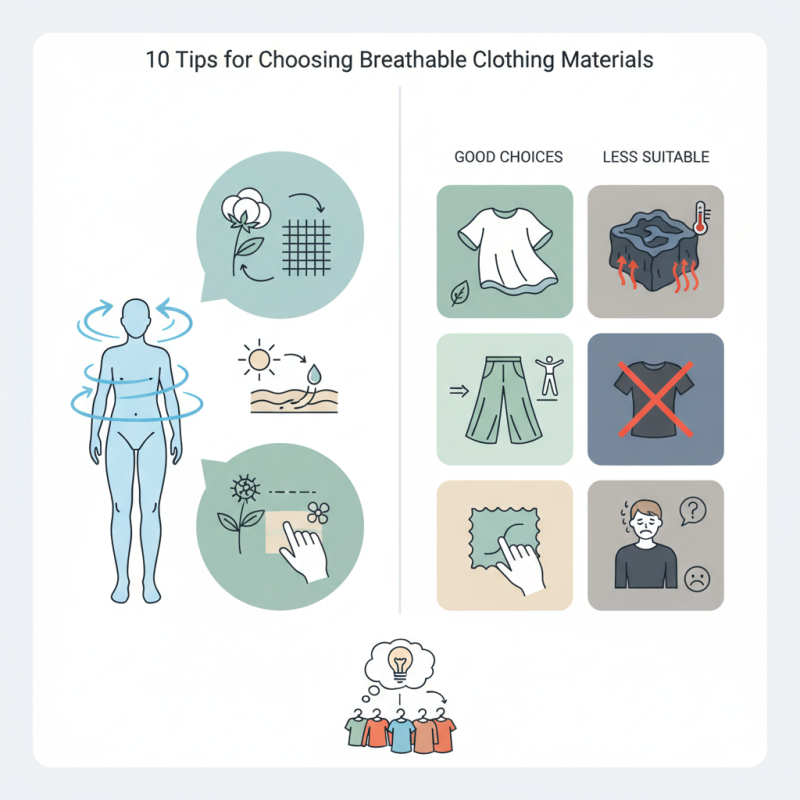
Breathable clothing is essential for comfort and health. It allows air circulation, helping your body regulate temperature. This is particularly vital in hot and humid conditions. When you wear breathable materials, sweat evaporates more efficiently. This can prevent issues like chafing and overheating. For athletes and outdoor enthusiasts, choosing the right fabric is crucial.
The benefits of breathable clothing extend beyond physical comfort. It also plays a key role in skin health. Moisture-wicking fabrics can keep your skin dry, which reduces the risk of irritation. Natural fibers, like cotton and linen, offer excellent breathability. However, synthetic materials can also provide benefits when designed well. It’s worth noting that not all clothing labeled as breathable delivers.
It’s important to pay attention to the fabric’s characteristics. Look for features like moisture management and lightweight composition. Testing different materials can be informative but sometimes frustrating. You may find that a favorite fabric does not perform as expected in certain conditions. Seeking expert opinion can help clarify what to look for in breathable clothing. Understanding these aspects will enhance your comfort and style choices significantly.
When selecting breathable clothing, the choice of fabric plays a crucial role. Natural fibers like cotton, linen, and hemp are renowned for their breathability. According to research from the Textile Research Journal, cotton allows moisture to evaporate away from the body, which helps maintain comfort in hot conditions. Similarly, linen is known for its high moisture-wicking properties, making it a popular choice for summer wear.
Synthetic materials, such as polyester and nylon, can also offer breathability when designed properly. The moisture management capabilities of these fabrics have improved significantly over the years. A study by the American Journal of Sports Science indicates that engineered synthetics can provide both breathability and durability. However, some wearers find that these materials can retain heat if not blended with natural fibers.
Consider the weight and weave of the fabric as well. Lighter fabrics allow for better airflow. Open-weave designs enhance ventilation, which can be beneficial for active individuals. It's essential to reflect on climate and activity levels when choosing. Not all materials perform the same in different environments. Personal testing and experience can help identify what truly works best for comfort and performance.
Choosing the right clothing for physical activities is vital. Moisture-wicking materials play a crucial role. They draw sweat away from the skin, promoting comfort. This property is especially important for athletes and fitness enthusiasts. Research shows that sweat can decrease performance by up to 20%. Keeping dry helps maintain focus and energy levels.
Polyester and nylon are two common moisture-wicking fabrics. These materials can absorb moisture effectively. A study by the Textile Research Journal found that moisture-wicking garments reduce skin temperature by up to 5°C during exercise. However, not all products guarantee effectiveness. Some fabrics may not perform well after multiple washes. This factor often goes overlooked when selecting activewear.
Breathability also impacts comfort levels. Fabrics with small interstitial spaces allow air to flow. A balance is needed between moisture-wicking and ventilation. Some hybrid materials offer both benefits but can be expensive. Sometimes, cheaper options may not provide the desired features. Researching fabric technology helps consumers make informed decisions. Understanding these aspects is crucial for enhancing overall active wear comfort.
When evaluating fabric performance, breathability is key. The ability of a material to allow air and moisture to pass through makes a difference in comfort. A breathable fabric can regulate body temperature. This keeps you cool in the heat and warm in cooler conditions.
Testing for breathability involves several methods. You can start with simple tests at home. Hold the fabric to your mouth and blow. If it's easy to breathe through, it’s likely breathable. There are more scientific methods as well. For instance, moisture vapor transmission tests measure how much water vapor passes through. This data is crucial for selecting the right fabric.
Consider the construction of the fabric. Loose weaves and knits usually offer better breathability. Natural fibers like cotton and linen tend to perform well. Synthetics can be engineered for high breathability but may not always deliver. It’s vital to test how these materials feel in real conditions. Personal experience and feedback matter. Pay attention to how a fabric reacts to sweat and body heat. Effective breathability depends on the context in which you wear it.
| Material Type | Breathability Rating (1-10) | Moisture Wicking | Suitability |
|---|---|---|---|
| Cotton | 8 | Moderate | Casual wear, summer clothing |
| Linen | 9 | Good | Hot climates, beachwear |
| Wool | 7 | Moderate | Cool weather, outdoor activities |
| Polyester | 6 | High | Athletic wear, outdoor gear |
| Bamboo | 8 | High | Eco-friendly clothing, undergarments |
When it comes to breathable clothing, care and maintenance are vital for longevity. Regular washing can remove sweat and dirt. Use mild detergents to keep fabrics intact. Avoid fabric softeners, as they can clog pores in breathable materials. Rinse thoroughly to ensure residues do not hinder breathability.
Storing breathable fabrics properly also matters. Choose a cool, dry place to hang or fold your clothes. Avoid damp areas where mold can develop. Consider using breathable garment bags. They protect your clothes while allowing air circulation.
For everyday care, think about the wash frequency. Too often can wear out the fabric quickly. However, neglecting it can lead to odors and stains. Assess garments before washing. Sometimes, air drying is sufficient. This method prolongs the life of the fabric while maintaining its breathability.
: Natural fibers like cotton, linen, and hemp are popular for their breathability.
Cotton allows moisture to evaporate, keeping the body comfortable during heat.
Linen has high moisture-wicking properties, making it ideal for summer clothing.
Yes, when designed well, materials like polyester and nylon can offer breathability.
Consider the weight, weave, climate, and activity levels for optimal comfort.
Avoid washing too frequently to prevent wearing out the fabric, but don’t neglect it.
Store in a cool, dry place, and consider breathable garment bags for protection.
No, fabric softeners can clog the pores in breathable fabrics, reducing their effectiveness.
Air drying is often enough; it helps maintain breathability and extends fabric life.
Testing different fabrics yourself helps identify what feels best for comfort and performance.
Breathable clothing materials play a crucial role in ensuring comfort, especially during physical activities. Understanding the importance and benefits of such fabrics is the first step in how to choose breathable clothing materials. Key materials to consider include natural fibers like cotton and linen, as well as synthetic options like polyester that offer moisture-wicking properties, enhancing overall wearability in active settings.
To evaluate fabric performance, breathability testing methods can help determine the suitability of materials for your specific needs. Additionally, proper care and maintenance are vital in extending the lifespan of breathable fabrics, ensuring they continue to perform effectively. By keeping these tips in mind, you can select clothing that promotes comfort and functionality, making your active lifestyle more enjoyable.
