Choosing comfortable fashion clothing is not about wearing loose garments all day. It is about understanding how fabric, fit, movement, and personal habits work together. A soft sweater can still feel restrictive at the shoulders. Slim trousers may look polished, yet pinch when you sit. Comfort becomes visible in small moments, such as reaching for a train handle or walking across a warm pavement.
Ed Gribbin, a respected apparel fit specialist, offers a practical principle: “A garment should support movement, not compete with it.” This idea guides our Fashion Clothing Comfort Guide. The seven tips ahead examine fabric breathability, seam placement, stretch recovery, waistband pressure, sizing accuracy, layering, and care routines. Each detail affects how clothing feels after several hours, not only inside a fitting room.
Real experience matters here. I have found that a label marked “comfortable” means little without testing the garment while sitting, bending, and walking. Check the collar. Notice the armholes. Feel the inner seams.
Still, comfort is not perfectly measurable. Body shapes change, fabrics behave differently, and personal preferences can conflict. A breathable linen shirt may wrinkle quickly. A supportive waistband may feel too firm by evening. That tension deserves attention, rather than a simple promise that one style suits everyone. This guide offers practical questions and clear checks, helping you choose fashion clothing that feels dependable, wearable, and genuinely suited to daily life.
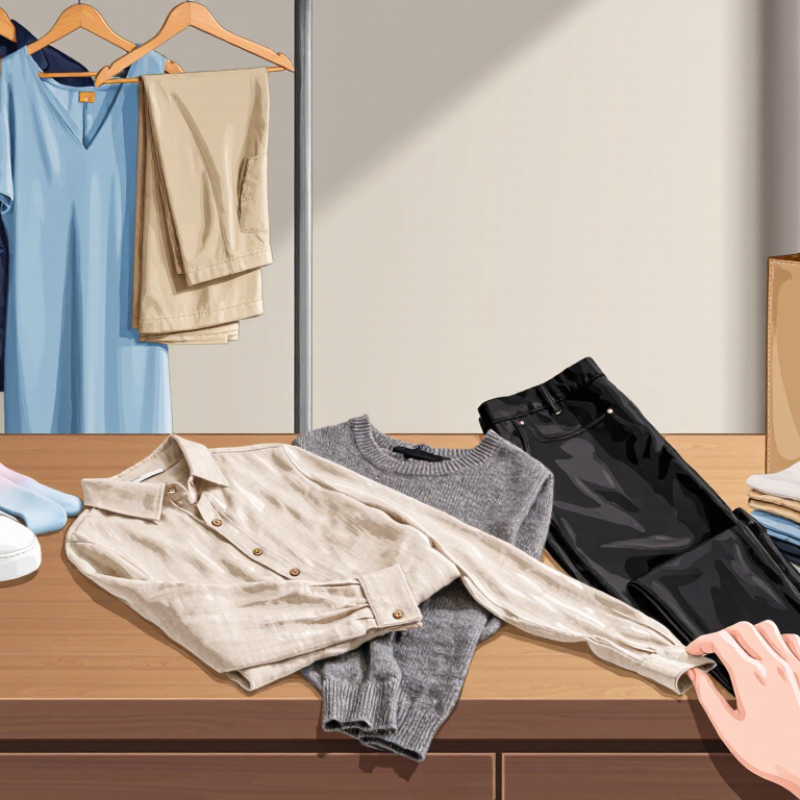
Comfort is not a universal clothing feature. For one person, it means soft fabric. For another, it means freedom to move, modest coverage, or warmth in an air-conditioned office. Define your needs before shopping. Note your usual activities, climate, sensitive areas, and laundry habits. A commuter may need breathable fabric and secure pockets. A remote worker may prefer a flexible waistband and low-pressure seams. Small details matter.
Use your body as the test. During a fitting, sit, walk, raise both arms, and bend forward. Check whether seams rub your neck, waist, or underarms. Move slowly, then normally. An adjustable waistband can help, but excessive stretch may lose shape quickly. Look for fabric weight, surface softness, breathability, and recovery after pulling. The Ellen MacArthur Foundation’s A New Textiles Economy reports that doubling clothing use could reduce greenhouse-gas emissions by 44 percent. Comfortable choices are more likely to stay in regular rotation.
Care requirements belong in the definition of comfort. A garment needing delicate washing may become inconvenient, even if it feels perfect in the store. WRAP’s Valuing Our Clothes analysis estimates that extending clothing life by nine months can reduce carbon, water, and waste footprints by about 20–30 percent. I once chose a beautiful shirt with a stiff collar and ignored the warning signs. It stayed in my wardrobe, rarely worn. That mistake changed my fitting routine. Personal comfort is practical, physical, and sometimes emotional. It deserves honest testing.
| Tip | Comfort and Clothing Need | What to Check | Practical Clothing Choice | Simple Comfort Test |
|---|---|---|---|---|
| 1. Identify Your Main Use | Clothing should match the activity, weather, movement level, and time of wear. | Consider whether the garment is for work, travel, exercise, home use, or social events. | Choose flexible pieces for daily movement and specialized garments for demanding activities. | Imagine wearing it for the full activity, including sitting, walking, and reaching. |
| 2. Select Breathable Fabrics | Breathability helps heat and moisture move away from the skin, especially in warm conditions. | Read the fiber content and look for lightweight cotton, linen, wool, or moisture-managing technical fibers. | Use airy fabrics in hot weather and layered materials that allow ventilation in changing temperatures. | Place the fabric against your arm or neck and check whether it feels cool, soft, and non-sticky. |
| 3. Check Fit and Ease | A comfortable garment should allow natural movement without excessive pressure or unwanted looseness. | Check shoulder position, sleeve length, waistband pressure, seat room, and garment length. | Choose a fit that leaves enough room for normal movement and any base layers you plan to wear. | Raise both arms, bend, sit, and take several steps. The garment should not pinch, ride up, or restrict breathing. |
| 4. Avoid Irritating Details | Seams, labels, fasteners, and rough surfaces can cause friction or skin irritation during extended wear. | Inspect seam thickness, label placement, zippers, buttons, elastic edges, and decorative elements. | Prefer smooth seams, soft linings, removable labels, and flat or covered fasteners when sensitivity is a concern. | Wear the item for several minutes and notice any scratching, rubbing, pressure points, or itching. |
| 5. Match Insulation to Weather | Comfort depends on maintaining a suitable body temperature in heat, cold, wind, or rain. | Consider fabric weight, layering options, wind resistance, water resistance, and ventilation openings. | Use light layers for flexibility, insulating layers for cold conditions, and breathable outer layers for wet weather. | Check whether you can add or remove a layer easily without making the outfit restrictive. |
| 6. Consider Care and Durability | Clothing remains comfortable when it keeps its shape, softness, and function after regular care. | Review washing instructions, drying requirements, shrinkage risk, colorfastness, and fabric resilience. | Choose easy-care garments for frequent use and reserve delicate fabrics for occasions when maintenance is practical. | Ask whether the garment can be cleaned and dried according to your normal routine. |
| 7. Define Your Personal Comfort Rules | People differ in sensitivity to texture, temperature, pressure, coverage, and movement. | Record fabrics, fits, colors, closures, and garment features that have felt comfortable or uncomfortable before. | Build a personal checklist and prioritize comfort requirements before trends, appearance, or price. | After wearing the garment for a normal day, rate softness, freedom of movement, temperature control, and confidence from 1 to 5. |
Comfort depends on your body, routine, climate, and personal preferences. Soft fabric may matter most, or freedom to move. Consider warmth, coverage, sensitive skin, and laundry habits. Your needs may change.
Sit down, walk, bend forward, and raise both arms. Reach for an imaginary shelf. Check your neck, waist, shoulders, and underarms for rubbing. A mirror check alone can mislead you.
Compare your chest, waist, hips, and inseam measurements. Use the garment’s measurement chart when possible. Leave room for breathing and normal movement. Size labels are not always consistent.
Look for pulling fabric, twisted seams, tight elastic, and awkward hems. Check whether sleeves cover your wrists naturally. Trousers should remain comfortable while sitting. Too much looseness can catch on chairs or bags.
Check softness, weight, breathability, transparency, and stretch recovery. Hold the fabric near a window. Rub it gently between your fingers. Rough areas can become irritating after several hours.
Examine seams, buttons, waistbands, collars, and sleeve openings. Look for loose threads and uneven stitching. Pressure points should rest smoothly against your body. Small flaws can become daily annoyances.
Care instructions affect long-term convenience. Some garments need cold washing, air drying, or careful ironing. Think about your actual weekly routine. I sometimes underestimate this part.
Consider repeated wear, washing changes, and your usual environment. Some materials shrink, stiffen, lose softness, or change shape. Wear the garment at home for an hour, if permitted. Notice itching, sweating, twisting, or constant adjustment. The first impression may be wrong.
Choosing comfortable fashion clothing begins with understanding your personal comfort preferences, daily routines, and practical needs. This Fashion Clothing Comfort Guide recommends selecting breathable, skin-friendly fabrics that feel pleasant in different temperatures and reduce irritation during extended wear. Pay close attention to sizing and fit, ensuring that garments allow natural movement without being overly tight or excessively loose. Comfort should support your lifestyle while still expressing your individual sense of style, so consider useful details such as flexible designs, functional pockets, and easy layering.
Long-term comfort also depends on garment quality and care requirements. Well-made clothing with durable stitching and reliable materials can maintain its shape and softness over time. Before purchasing, check washing instructions and consider whether the item is easy to clean and maintain. By combining personal preferences, comfortable fabrics, freedom of movement, practical features, and thoughtful care, you can build a wardrobe that feels comfortable, looks appealing, and remains suitable for everyday activities.

 VEIL Fashion