Top 10 Fashion Clothing Care Tips for Longer Wear?

Time:2026-09-22 Author:Charlotte
0%

Fashion Clothing Maintenance For Long Lasting Wear begins with small habits, not expensive products. A wool sweater can lose its shape after one careless hanger. A dark cotton shirt may fade when washed too warmly. Even a quality jacket can develop shiny marks from repeated ironing. These details often decide how long clothing remains attractive, comfortable, and useful.

This guide presents ten practical fashion clothing care tips for longer wear. They reflect advice commonly used by garment professionals, textile specialists, and experienced dressers. You will learn when to wash, how to read care labels, and why air-drying often protects fabric better than high heat. Simple actions matter. Turning clothes inside out can reduce surface friction. Folding knitwear can prevent stretched shoulders. Emptying pockets may avoid awkward pulls and stains.

Some recommendations may feel inconvenient. I still occasionally wash something too quickly or ignore a loose thread. That mistake is useful when noticed early. Clothing care is not about perfect routines; it is about correcting careless ones before damage spreads. A faint stain needs attention before it becomes permanent. A damp garment needs air before it develops an unpleasant smell. With consistent care, everyday pieces can keep their color, structure, and softness for considerably longer. The goal is not to preserve every garment forever. It is to wear each piece thoughtfully and replace fewer items unnecessarily.
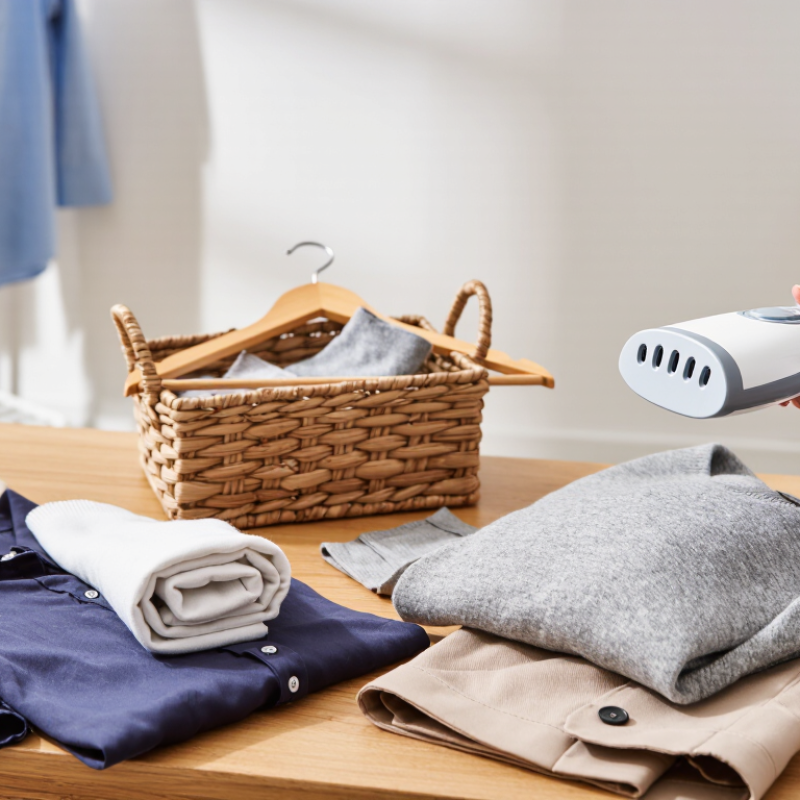
Top 10 Fashion Clothing Care Tips for Longer Wear?

Understanding Care Labels and Fabric Requirements

Care labels are practical instructions, not decoration. I learned this after shrinking a wool sweater in warm water. Since then, I check the label before washing every unfamiliar garment.

Look for symbols covering washing, bleaching, drying, ironing, and professional cleaning. The highest temperature shown is a limit, not a recommendation. Cooler water is often safer for color and shape.
A crossed-out symbol means avoid that method completely. Some labels also warn about lining, trims, or delicate surface treatments.

Fabric requirements matter just as much.
Cotton usually tolerates regular washing, but high heat can cause shrinkage. Wool needs gentle movement, cool water, and careful drying. Lay it flat on a clean towel. Silk often responds better to mild detergent and low agitation. Synthetic fibers may dry quickly, yet heat can damage elastic areas. Blended fabrics require extra attention because one fiber may react differently from another.
I sometimes forget that a “machine washable” label does not promise a perfect result.

Use a mesh bag for fragile items.
Fasten zippers and turn dark clothing inside out. Separate colors, especially during the first few washes. Press water out gently instead of twisting knitwear.

Air-dry garments when the label permits it, away from strong sunlight.
If the instructions seem unclear, test a hidden seam first or ask a qualified cleaner. Care labels can be incomplete. Your washing habits may need adjustment too.

Preparing, Washing, and Treating Clothes Safely

Top 10 Fashion Clothing Care Tips for Longer Wear

Preparing, Washing, and Treating Clothes Safely

Preparing clothes properly can prevent many avoidable repairs. Check each care label before washing, especially for wool, silk, or tailored pieces. Separate dark, light, and heavily soiled garments to reduce colour transfer. Empty every pocket, close zippers, and fasten hooks before loading the machine. Turn printed clothing inside out to protect surface designs. Use a mesh bag for delicate items. Small preparation matters.

Choose the safest water temperature shown on the label, because hot water can shrink fibres. Measure detergent carefully; excess product can remain between threads and make fabric stiff. Avoid overloading the drum, since clothes need room to move and rinse. Wash delicate garments on a gentle cycle with similar textures. I sometimes still overload a machine when I am rushing. That habit needs correcting.

Treat stains quickly by blotting from the outside toward the centre. Do not scrub aggressively, because rubbing can spread marks and weaken fibres. Test any cleaning solution on an unseen seam first. Never mix cleaning products, and follow ventilation and handling instructions. Dry garments according to their fibre needs; air drying often protects shape and colour. Remove knitwear while slightly damp, then lay it flat. Store clean clothes in a dry, shaded space, using padded hangers for structured garments. Regularly inspect seams, buttons, and hems before small damage becomes expensive.

Drying, Ironing, and Steaming Without Damage

Heat, friction, and moisture can quietly shorten a garment’s life. WRAP’s Valuing Our Clothes report found that extending clothing use by nine months can reduce carbon, water, and waste footprints by about 20–30%. That makes careful drying more than a household habit.

Tip: Check the care label before using heat. Air-dry delicate items flat on a clean towel. Hang woven shirts on shaped hangers, but avoid stretching wet knitwear. Keep dark garments away from direct sunlight. Sunlight can fade dyes, and I have underestimated this more than once.

Tip: Iron garments inside out, using the lowest effective temperature. Place a thin cotton cloth between the iron and printed surfaces. For steaming, keep the nozzle slightly away from the fabric. Move continuously instead of pressing one spot. The European Environment Agency reports that textile care contributes to environmental impacts beyond production, including energy and water use. Steam wrinkles after washing, but it does not replace cleaning. Test heat on an inner seam first. Some fabrics react unpredictably. Stop when the surface looks glossy, feels stiff, or smells overheated. Dryers are convenient, yet repeated high heat can weaken elastic fibers and shrink natural textiles. I still use one when time is limited, but that choice deserves a second thought.

Storing Garments to Prevent Wear and Deformation

Storage decides how a garment ages. Fold heavy knitwear flat, because hangers can stretch shoulders and necklines. Use broad, padded hangers for tailored pieces. Leave space between garments so air can move. Crowded rails create friction, crushed sleeves, and stubborn creases. Store clean, completely dry clothing in a cool, dark, stable environment. Sunlight fades dyes, while humidity encourages mildew and weakens fibers. Avoid sealed plastic bags for long-term storage; breathable cotton covers are safer for most washable garments. However, delicate pieces still need care-label guidance.

Tips: Fold sweaters, denim, and bias-cut garments. Hang structured jackets. Keep zippers closed and hooks secured. Use cedar blocks only when dry, and refresh them periodically. Never press clothing into a damp wardrobe. A small gap matters.

Evidence supports this quiet routine. WRAP’s Valuing Our Clothes report estimates that extending clothing life by nine months can cut carbon, water, and waste footprints by about 20–30% each. The Ellen MacArthur Foundation’s A New Textiles Economy reported that clothing utilization had fallen 36% over roughly fifteen years. Better storage cannot solve every durability problem, but it can reduce avoidable damage. My practical caution is simple: “breathable” does not mean exposed to dust, pets, or direct sunlight. Inspect stored garments every few months, refold them, and question any musty smell early. Perfect storage is unrealistic. Consistent storage works better.

Repairing, Refreshing, and Rotating Clothing for Longer Use

Top 10 Fashion Clothing Care Tips for Longer Wear
Repairing, Refreshing, and Rotating Clothing for Longer Use

Tip: Repair small damage early. A loose button, open seam, or pulled thread can worsen after one wash. I check cuffs, hems, and pockets before storing clothes. Matching thread helps, but a visible repair is often better than silent damage. For delicate fabrics, I use a qualified tailor when the fabric feels unstable. My own mistake was ignoring a tiny sleeve tear. It became a much larger repair.

Tip: Refresh clothing before washing it. Air a wool sweater near an open window for several hours. Use a soft clothes brush to remove dust and surface fibers. Spot-clean marks with cool water and a gentle cloth. Test an unseen area first. Do not scrub silk or textured fabric aggressively. Steam can reduce odors, but moisture must fully dry before storage.

Tip: Rotate garments instead of wearing the same favorites repeatedly. Keep several work shirts in regular use, rather than choosing one every morning. Fold knits and hang structured pieces on shaped hangers. Store clean seasonal clothing in breathable containers. Avoid overcrowded wardrobes. Fabric needs space. I sometimes forget this and create deep shoulder creases. A simple rotation note on your phone can reveal which pieces need rest, repair, or replacement.

FAQS

How should clothes be prepared before machine washing?

Read the care label carefully. Empty pockets, close zippers, and fasten hooks. Separate dark, light, and heavily soiled garments. Turn printed clothing inside out. Use a mesh bag for delicate pieces.

What washing habits help prevent shrinking and fabric damage?

Use the safest temperature listed on the care label. Measure detergent instead of guessing. Leave enough space inside the drum. Clothes need room to move and rinse. I sometimes overload the machine when rushing. That habit needs correcting.

How should fresh stains be treated?

Blot from the outside toward the centre. Avoid aggressive scrubbing. Test cleaning solutions on a hidden seam. Never mix cleaning products. Follow ventilation and handling instructions carefully.

What is the safest way to dry different garments?

Air drying often protects colour and shape. Remove knitwear while slightly damp, then lay it flat. Follow fibre-specific instructions. Heat can shrink sensitive materials. Dry everything completely before storage.

How should knitwear and tailored clothing be stored?

Fold heavy sweaters, denim, and bias-cut garments flat. Hangers may stretch shoulders and necklines. Use broad, padded hangers for structured pieces. Keep zippers closed and hooks secured. A small gap matters.

What storage conditions reduce fading and mildew?

Store clean, dry clothing in a cool, dark, stable space. Sunlight can fade dyes. Humidity may encourage mildew. Leave air between garments. Avoid pressing clothes into a damp wardrobe. Inspect stored items every few months.

When should small clothing repairs be made?

Repair loose buttons, open seams, and pulled threads quickly. One wash can enlarge minor damage. Check cuffs, hems, and pockets before storage. Matching thread looks neat, but visible repair is better than silent damage. I once ignored a tiny sleeve tear. It became expensive.

How can clothes be refreshed and rotated between washes?

Air a wool sweater near an open window for several hours. Use a soft brush for dust and surface fibres. Spot-clean small marks with cool water. Steam may reduce odours, but the garment must dry fully. Rotate several shirts instead of wearing one favourite repeatedly. Perfect routines are unrealistic. Consistency still helps.

Conclusion

Fashion Clothing Maintenance For Long Lasting Wear begins with understanding care labels and matching each garment to its fabric requirements. Before washing, empty pockets, close fasteners, separate colors, and treat stains gently to avoid spreading or weakening the material. Use suitable water temperatures, mild cleaning methods, and avoid excessive washing when airing or spot-cleaning is enough. These simple preparations help preserve color, shape, texture, and overall garment quality.

Drying, ironing, and steaming should also be handled carefully. Choose low heat when appropriate, reshape clothing while damp, and avoid placing delicate fabrics under direct, intense heat. Proper storage is equally important: fold stretchy items, hang structured garments on suitable supports, and keep clothing clean, dry, and well ventilated. Small repairs, careful refreshing, and rotating frequently worn pieces can prevent minor damage from becoming permanent. With consistent attention, clothing can remain comfortable, attractive, and useful for much longer.

Charlotte

Charlotte

Charlotte is a seasoned marketing professional with a deep understanding of the company's portfolio and a passion for elevating its presence in the market. With a keen eye for detail and a commitment to excellence, she ensures that our professional blog is regularly updated with insightful articles......