Top Tips How to Choose Eco Friendly Clothing?

Time:2026-09-07 Author:Henry
0%

Choosing sustainable clothing can feel confusing, especially when every brand claims to be responsible. This guide explores How To Choose Eco Friendly Clothing through practical checks, trusted standards, and honest questions. A green leaf on a label proves very little. Fabric content, manufacturing conditions, durability, and care requirements matter more.

Start by checking the fiber composition. Organic cotton, linen, hemp, recycled fibers, and responsibly sourced wool may reduce certain environmental pressures. However, each material has trade-offs. Recycled polyester can reduce demand for new plastic, but it still releases microfibers during washing. Organic cotton avoids some synthetic pesticides, yet it may require substantial water. Certifications such as GOTS, OEKO-TEX, and the Responsible Wool Standard offer useful evidence, but they do not measure every part of a garment’s impact.

Look closely at construction. Strong seams, secure buttons, and dense fabric often suggest longer use. Try imagining the shirt after fifty washes. Will the collar curl? Will the color fade? Buy fewer pieces that fit your real routine, not an ideal lifestyle. Wash garments in cooler water, air-dry them when possible, and repair small tears before they spread.

There is no perfect choice. I have trusted attractive claims that lacked clear evidence. That mistake is worth remembering. Compare specific information, question vague promises, and choose transparency over polished marketing. Eco-friendly clothing is not a single fabric or purchase. It is a continuing habit shaped by thoughtful buying, careful use, and a willingness to reconsider.
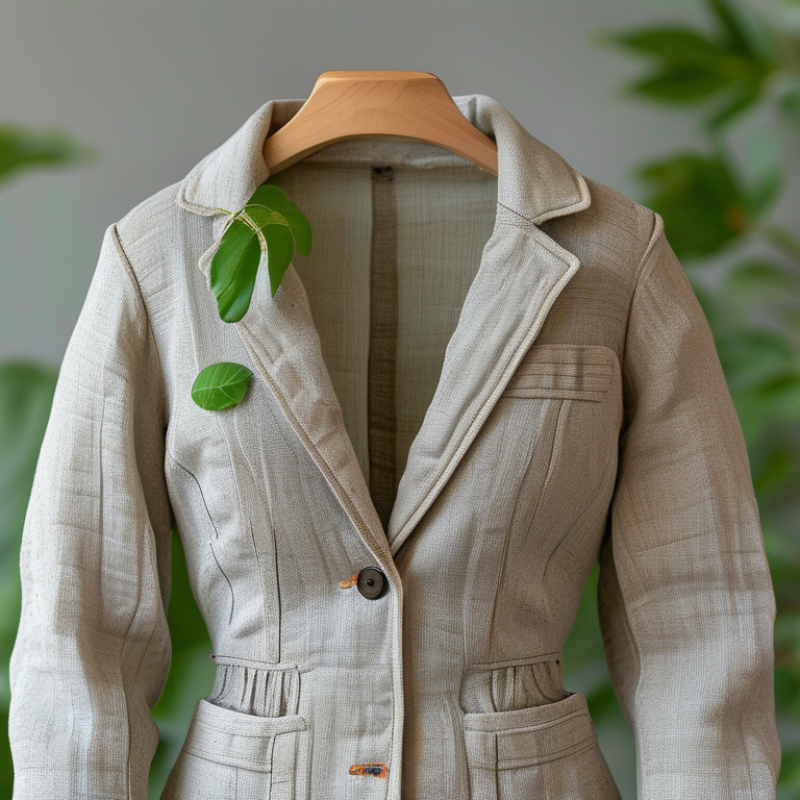
Top Tips How to Choose Eco Friendly Clothing?

Define What Makes Clothing Eco-Friendly

Top Tips: How to Choose Eco-Friendly Clothing?

Eco-friendly clothing creates less environmental harm throughout its life cycle. That includes fiber farming, dyeing, manufacturing, transport, washing, and disposal. A natural fiber is not automatically sustainable. Cotton may use significant water, while some synthetic fabrics shed tiny plastic fibers during washing. Check the material percentage, not only the front label. Look for recycled content, responsibly produced fibers, and credible third-party certifications. These details provide stronger evidence than vague words like “green” or “conscious.”

I examine stitching, fabric weight, and care instructions before buying a garment. Strong seams and dense fabric often indicate longer use. Longer use matters. A shirt worn for five years can be a better choice than a “sustainable” shirt replaced every season. Choose washable clothing that does not require frequent dry cleaning. Cold washing and air drying can also reduce energy use. Repairable designs deserve attention, such as replaceable buttons and generous hems. Ask whether the seller explains factory conditions, dye management, and supply-chain traceability. Honest information includes limits, not perfect promises. I once bought recycled fabric without checking its durability. It stretched quickly, and replacing it created more waste. Labels help, but careful use matters too.

Check Fabric Origins and Environmental Impact

Top Tips How to Choose Eco Friendly Clothing?

Check where the fabric begins. Cotton may come from farms using different amounts of water, pesticides, and irrigation. Look for clear origin information, not vague claims such as “natural” or “green.” Organic certification can provide useful evidence, although it does not solve every environmental problem. Organic cotton may still require significant water and transport.

For synthetic fabrics, check whether the material includes recycled content. Ask if the claim refers to the entire garment or only one section. Recycled polyester can reduce demand for new petroleum-based fibers, but it still releases microfibers during washing. A washing bag and cooler cycles may help. Small choices matter.

Consider the full journey. Fiber production, dyeing, finishing, shipping, and disposal all create environmental effects. Dark dyes and repeated wet processing may require more energy and water. Linen and hemp can be efficient choices in suitable growing conditions, but their impact depends on farming and processing methods. The label rarely shows everything.

I used to trust fabric names too quickly. That was incomplete. Now, I check traceability, independent certifications, recycled percentages, and care instructions. A durable shirt that you wear often may be better than a supposedly perfect fabric that quickly loses shape. Ask practical questions, and accept that no material is impact-free.

Evaluate Manufacturing Practices and Certifications

When choosing eco-friendly clothing, look beyond soft fabric and green packaging. Manufacturing practices often reveal the real environmental cost. Check whether the garment uses recycled fibers, organic materials, or responsibly sourced natural fibers. However, “natural” does not always mean low impact. Cotton may require heavy irrigation, while recycled synthetics can still release microfibers.

Tip: Read the factory information.

Reliable clothing companies should explain where garments are cut, dyed, and finished. Look for practical details, such as wastewater treatment, renewable energy use, reduced water consumption, and safe chemical management. Independent certifications can support these claims. Useful standards may verify organic fibers, recycled content, safer processing, or fair workplace conditions. Still, a certificate may cover only one part of production. It does not automatically prove that every factory performs well.

Tip: Check the certificate’s scope.

Search the certification number or official database when possible. Confirm whether it applies to the finished garment, the fabric, or only the raw material. During my own clothing research, I found that vague wording created more questions than confidence. That matters. A shirt can use certified cotton but still involve wasteful dyeing or excessive transport. Ask how often facilities are audited and whether corrective actions are disclosed. Clear answers suggest stronger accountability, although no system is perfect. Be willing to question attractive claims.

Assess Durability, Care Needs, and Product Lifespan

Eco-friendly clothing should survive real life, not just look responsible online. Check fabric density, seam strength, and surface wear before buying. Hold the garment toward light. Sparse knitting may stretch quickly. Pull a seam gently; loose threads deserve attention. A durable piece often feels balanced, not necessarily heavy. Heavy fabric can still weaken after repeated washing.

Care needs shape the true environmental cost of a garment. Read the label and notice water temperature, drying instructions, and ironing limits. If it demands frequent hand washing, consider your actual routine. I have kept better garments longer by washing them less, using cool water, and repairing small snags early. Air drying usually reduces heat damage. Still, this advice is not universal. Some fibers shrink, lose shape, or retain odors without careful cleaning. Test a hidden area when instructions seem unclear.

Estimate lifespan through construction and repairability. Look for spare buttons, generous hems, replaceable fasteners, and accessible stitching. Ask whether the garment can serve several seasons or only one occasion. A low price is not proof of sustainability, while a high price guarantees nothing. Keep notes after several washes. Did the color fade? Did the collar twist? Honest tracking exposes wishful thinking. I sometimes choose a versatile item, then discover I rarely wear it. That is a useful failure.

This benchmark compares the typical service life of common clothing fibers under regular wear and correct care. Actual lifespan depends on garment construction, washing frequency, heat exposure, storage, and repair. Low-temperature washing, air drying, and timely repairs can help extend use.

Compare Brands, Prices, and End-of-Life Options

Choosing eco-friendly clothing requires comparing evidence, not attractive green language. Examine fiber content, factory disclosures, repair policies, and independent certifications. A detailed product page should explain where the yarn was spun, fabric woven, and garment sewn. If those details are missing, treat the claim cautiously. I once preferred a cheaper recycled shirt, but its thin fabric lost shape after several washes. That experience changed my checklist. Durability is environmental information too. Ask how the garment feels after repeated wear, not only on delivery day.

Compare similar items by fabric weight, construction, and expected wears. A low price can hide weak seams, while a higher price may reflect stronger stitching or verified wages. Still, expensive does not automatically mean responsible. Check return rates, material percentages, and care instructions before paying more. A simple cost-per-wear estimate helps: divide the price by realistic uses. A 90-dollar jacket worn 90 times may cost less per use than a 30-dollar jacket worn five times. Prices vary. Evidence matters more.

End-of-life options deserve equal attention. Look for take-back services, local textile collection rules, resale value, and repair access. Some “recyclable” garments contain blended fibers that local facilities cannot process. That label can mislead. Choose removable buttons, limited blends, and durable zippers when possible. Wash less often, air-dry, and mend small holes early. I still buy occasional items that are not ideal, especially when budget limits my choice. Recording why I buy them makes future decisions more honest and practical.

Top Tips: How to Choose Eco-Friendly Clothing? — Compare Materials, Prices, and End-of-Life Options
Clothing Option Typical Retail Price
(USD)
Expected Service Life* Environmental Advantages Key Limitations Care Guidance End-of-Life Options Overall Buying Tip
Conventional Cotton T-Shirt $10–$30 1–3 years with frequent use
  • Plant-based natural fiber
  • Widely accepted by textile recycling systems where available
  • Comfortable and breathable
  • Cotton farming can require substantial water and pesticides
  • Low-cost versions may be thinner and less durable
Wash less often, use cold water, avoid unnecessary tumble drying, and air-dry when possible. Reuse as clothing first; donate if wearable; recycle as textile wiping material or fiber where local services accept it. Choose a dense, well-stitched fabric and keep it in use for as long as possible.
Organic Cotton T-Shirt $20–$60 2–5 years with regular use
  • Grown under organic production standards that restrict synthetic pesticides and fertilizers
  • Biodegradable under suitable composting conditions
  • Comfortable and breathable
  • Organic production does not automatically mean low water use
  • Blended or chemically finished products are harder to recycle
Wash at low temperatures, use a full load, and follow the care label to reduce shrinkage and wear. Reuse, repair, donate, or use textile recycling. Pure cotton is generally easier to recycle than a mixed-fiber garment. Check for a recognized organic-fiber certification and prioritize durable construction over a low price.
Recycled Polyester Sportswear $25–$90 3–7 years with regular use
  • Uses recycled plastic feedstock, commonly from PET bottles or textile waste
  • Lightweight, strong, and quick-drying
  • Can reduce demand for new fossil-based polyester
  • Still a plastic-based fiber
  • May release microfibers during washing
  • Recycling is difficult when mixed with elastane or other fibers
Wash only when needed, use a lower-temperature cycle, avoid high heat, and consider a microfiber-catching laundry bag. Use take-back or textile recycling programs that accept synthetic garments; do not place clothing in household recycling unless specifically permitted. Prefer long-lasting designs with a high recycled-content percentage and minimal fiber blends.
Hemp Clothing $35–$120 4–8 years with regular use
  • Durable natural fiber that softens with wear
  • Generally requires fewer pesticides than many conventional crops
  • Biodegradable when untreated and free from synthetic blends
  • Can have a higher purchase price
  • Often blended with cotton or synthetics, reducing end-of-life simplicity
Wash gently, avoid excessive heat, and air-dry to preserve the fabric structure. Repair, donate, reuse, or send to textile recycling. Unblended natural hemp may biodegrade under appropriate conditions. Check the fiber composition and choose a high-hemp percentage with strong seams and reinforced stress points.
Linen Clothing $40–$150 4–8 years with regular use
  • Made from flax, a natural plant fiber
  • Highly breathable and suitable for warm climates
  • Can be biodegradable when untreated and not blended
  • Wrinkles easily
  • Low-quality fabric may weaken at seams
  • Blended garments are less straightforward to recycle
Wash gently, avoid over-washing, and air-dry. Ironing is optional because natural wrinkles are normal. Repair and reuse first; donate wearable items; recycle or compost only where local facilities and fiber composition allow. Choose a medium- or heavyweight weave if durability is more important than the lowest price.
Lyocell Clothing $35–$130 3–6 years with regular use
  • Cellulosic fiber made from wood pulp
  • Manufacturing commonly uses a solvent-recovery system
  • Soft, breathable, and suitable for lightweight garments
  • Environmental performance depends on wood sourcing and manufacturing controls
  • May be blended with elastane or polyester
Use a gentle, cool wash and avoid high heat, which can cause shrinkage or surface wear. Donate or reuse first. Textile recycling may be possible, but blended fabrics are more difficult to process. Look for transparent information about responsible wood sourcing and choose simple, mostly single-fiber garments.
Wool Garment $60–$250 5–10 years with careful use
  • Warm, breathable, and naturally odor-resistant
  • Can reduce washing frequency
  • Biodegradable as an untreated animal fiber
  • Animal-welfare and land-management impacts vary
  • Can shrink or felt if washed incorrectly
  • Usually costs more than mass-market synthetics
Air it between wears, spot-clean when possible, and hand-wash or use a certified wool cycle with cold water. Repair, donate, resell, or use wool-specific recycling. Untreated wool may biodegrade under suitable conditions. Buy fewer, better-made pieces and verify animal-welfare and fiber-traceability information where relevant.
Recycled Denim Jeans $50–$180 3–8 years with regular use
  • Can contain pre-consumer or post-consumer cotton waste
  • Dense denim can be highly durable
  • Long wear life can offset a higher purchase price
  • Elastane blends reduce recyclability
  • Heavy finishing and distressing can add resource use
  • May require more energy to wash and dry
Wash infrequently, turn inside out, use cold water, and air-dry. Repair zippers, hems, and seams early. Donate or resell if wearable; repair or alter; send to denim or textile recycling programs where available. Choose rigid or low-stretch denim, reinforced construction, and a timeless cut instead of heavily distressed finishes.
Certified Fair-Labor Garment Varies by material and construction Depends mainly on fabric quality and garment construction
  • May provide evidence of labor standards, wages, or supply-chain oversight
  • Can improve transparency beyond environmental claims alone
  • A labor certification does not necessarily measure carbon, water, or recyclability impacts
  • Certification scope differs between standards
Follow the material-specific care label and prioritize repair over replacement. Use the same reuse, resale, donation, and textile-recycling routes as other garments. Assess labor certification together with fiber content, durability, price per wear, and end-of-life access.
Practical Comparison Checklist Before Buying
Material Composition Prefer durable, clearly disclosed fibers. Single-fiber garments are generally easier to sort and recycle than complex blends. Read the full fiber label and check whether elastane, coatings, sequins, or bonded layers are included.
Price per Wear Calculate: purchase price ÷ realistic number of wears. A more expensive garment may have a lower cost per wear if it lasts longer and is used often. Avoid buying an item solely because it is cheap; low prices can encourage overconsumption.
Durability Indicators Look for strong seams, secure buttons, quality zippers, and fabric appropriate for the intended use. Durability is one of the most important factors in reducing replacement demand. Check stitching, fabric weight, transparency, and whether replacement parts or repairs are available.
End-of-Life Plan Use this order: wear longer → repair → resell or donate → recycle → dispose as a last resort. Donation is appropriate only when garments are clean and wearable; damaged clothing should not be treated as reusable automatically. Confirm local textile-collection rules before purchasing, because recycling availability varies by location.
Best General Choice A durable garment that is worn frequently and cared for gently. No single fiber is best in every situation; performance depends on farming, manufacturing, use, washing, lifespan, and disposal. Choose the lowest-impact option that meets the garment’s real purpose and can remain in use for the longest time.

*Service-life figures are indicative ranges, not guarantees. Actual durability depends on garment construction, frequency of wear, washing, drying, repairs, and storage. Prices are broad USD retail ranges and vary by region, design, material quality, and production standards.

FAQS

: What makes clothing eco-friendly?

: Eco-friendly clothing reduces harm during fiber production, dyeing, manufacturing, transport, washing, and disposal. Its material, construction, care needs, and lifespan all matter.

Are natural fibers always sustainable?

Not always. Some natural fibers require substantial water during farming. Some synthetic fabrics release tiny plastic fibers when washed. Check the material percentage instead of trusting the front label.

Which details should I check before buying?

Look for recycled content, responsibly produced fibers, and credible independent certifications. Check factory disclosures, dye management, and supply-chain information. Vague words provide weak evidence.

How can I judge whether a garment will last?

Examine the stitching, fabric weight, seams, and zippers. Dense fabric and strong seams may support longer use. Try imagining the garment after repeated washing, not only on delivery day.

Why does durability affect environmental impact?

A durable shirt worn for five years may outperform a supposedly sustainable shirt replaced every season. Longer use reduces the need for replacement. Durability matters.

How can washing and drying choices reduce impact?

Wash clothing less often when appropriate. Use cold water and air-dry garments instead of using high heat. Choose items that do not require frequent dry cleaning.

What clothing features make repair easier?

Replaceable buttons, generous hems, and durable zippers can extend a garment’s life. Mend small holes early. Repair access also deserves attention.

Is a higher price proof that clothing is responsible?

No. Expensive clothing is not automatically better. Compare fabric weight, construction, certifications, care instructions, and expected wears. A 90-dollar jacket worn 90 times may cost less per use than a 30-dollar jacket worn five times.

What should I consider when clothing reaches the end of its life?

Check local textile collection rules, resale potential, repair services, and take-back options. Some blended fabrics cannot be processed by nearby facilities. Removable buttons and limited blends may simplify future handling.

Can people make imperfect choices responsibly?

Yes, but reflection helps. Budget limits sometimes affect purchases. Record why you chose an item and how it performed after washing. I once bought recycled fabric that stretched quickly, creating more waste through replacement.

Conclusion

Learning How To Choose Eco Friendly Clothing starts with understanding what sustainability means beyond a simple label. Look for fabrics made from responsibly sourced, recycled, organic, or lower-impact materials, and consider how much water, energy, and harmful chemicals may be involved in production. Review manufacturing practices, worker welfare commitments, and credible environmental certifications, while remaining cautious of vague or unverified claims.

A responsible choice should also be practical and long-lasting. Select well-made garments that suit your needs, require reasonable care, and can remain useful through repeated wear. Compare prices based on quality and expected lifespan rather than focusing only on the lowest cost. Finally, consider what will happen when the item is no longer needed: repair, resale, donation, recycling, or safe disposal options can help reduce waste. By evaluating materials, production, durability, value, and end-of-life possibilities together, shoppers can make more informed clothing decisions with a lower environmental impact.

Henry

Henry

Henry is a dedicated marketing professional with a profound expertise in the company's offerings. With years of experience in the industry, he possesses an impressive understanding of the market dynamics and consumer behaviors that drive success. Henry is committed to sharing his insights through......